Halloween
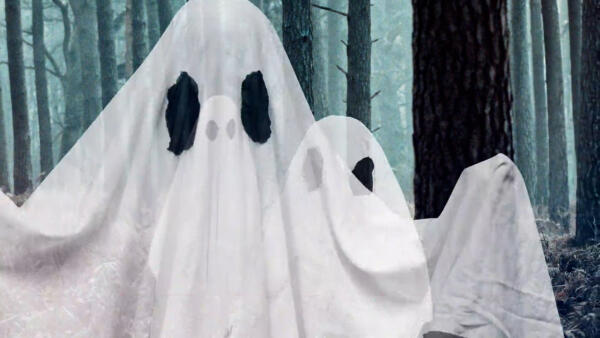
Halloween traces its origins to the ancient Celtic festival of Samhain. Over time, it transformed from a pagan tradition into a celebration filled with costumes, parties, jack-o'-lanterns and trick-or-treating enjoyed by both children and adults.

Start Here

From pagan rituals to costumes and candy corn, discover how Halloween—and its associated traditions—has evolved through the ages.

The witch flying on her broomstick is a Halloween icon, possibly based on pagan fertility rituals, hallucinogenic herbs and church doctrine.

The best horror movies hold up a mirror to our collective fears and taboos.

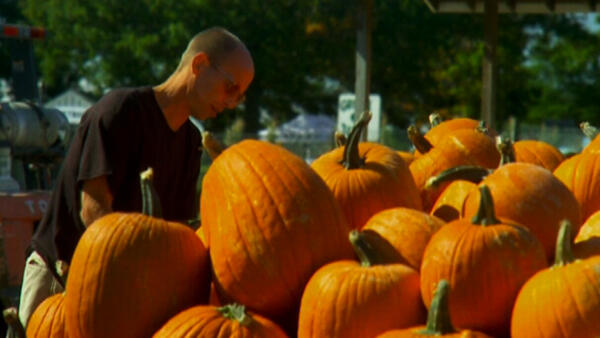
Before we carved pumpkins, the Irish chiseled creepy faces onto turnips.
Vampire History
Vampire History
Vampire legends have permeated many cultures, but is there any truth to these blood-sucking, un-dead creatures?
HISTORY Vault


Explore All Related Topics

The Day of the Dead (el Día de los Muertos) is a Mexican holiday where families welcome back the souls of dead relatives for a reunion.

One of the oldest superstitions links black cats with bad luck and evil. Like witches, black cats have also become modern Halloween symbols.

When teenage boys vandalized towns on Halloween of 1933, town leaders created parties, parades and haunted houses to keep them occupied.

The practice can be traced to the ancient Celts, early Roman Catholics and 17th-century British politics.

During Halloween, one of the world’s oldest holidays, the U.S., England, Ireland and Mexico celebrate with unique traditions and activities.

Halloween originated with the ancient Celtic festival of Samhain. Learn all about its history, costumes, foods, Halloween movies and more.

Explore the origins behind witch costume features—the hat, the black dress, prominent nose and green skin.

What began as ceremonies practiced by the ancient Aztecs evolved into a holiday recognized far beyond the borders of Mexico.

The most famous address in America is also perhaps the country’s most famous haunted house.

Before we carved pumpkins, the Irish chiseled creepy faces onto turnips.

The classic short story is an example of early American folklore. But tales of headless horseman date back to the Middle Ages.

Terrifying clowns like Pennywise are way older than you might think.

From pagan rituals to costumes and candy corn, discover how Halloween—and its associated traditions—has evolved through the ages.