Thanksgiving

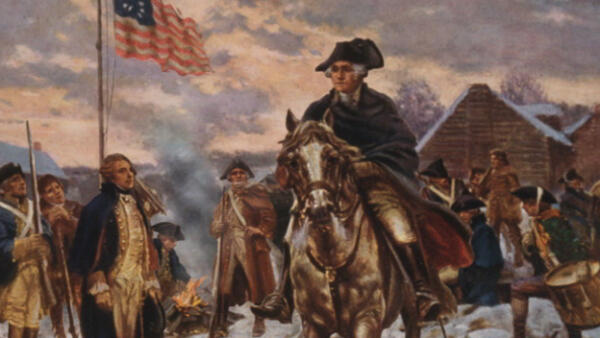
In 1621, the Plymouth colonists and Wampanoag Indians shared an autumn harvest feast which is acknowledged today as one of the first Thanksgiving celebrations in the colonies. For more than two centuries, days of thanksgiving were celebrated by individual colonies and states. It wasn't until 1863, in the midst of the Civil War, that a national Thanksgiving Day to be held each November was formally proclaimed.

Recommended Articles

  • Thanksgiving Facts

    Thanksgiving Facts

    Minnesota is the top turkey-producing state in America, with a planned production total of 49 million in 2008, according to the U.S. Census Bureau.

  • Mayflower Myths

    Mayflower Myths

    The reason that we have so many myths associated with Thanksgiving is that it is an invented tradition. It doesn't originate in any one event.

  • Thanksgiving: Fact or Fiction

    Thanksgiving: Fact or Fiction

    How much do you really know about Thanksgiving?

Did You Know?

Lobster, seal and swans were on the Pilgrims' menu.

Contents

The First Thanksgiving

This harvest meal has become a symbol of cooperation and interaction between English colonists and Native Americans. Although this feast is considered by many to the very first Thanksgiving celebration, it was actually in keeping with a long tradition of celebrating the harvest and giving thanks for a successful bounty of crops. Native American groups throughout the Americas, including the Pueblo, Cherokee, Creek and many others organized harvest festivals, ceremonial dances, and other celebrations of thanks for centuries before the arrival of Europeans in North America.

Historians have also recorded other ceremonies of thanks among European settlers in North America, including British colonists in Berkeley Plantation, Virginia. At this site near the Charles River in December of 1619, a group of British settlers led by Captain John Woodlief knelt in prayer and pledged "Thanksgiving" to God for their healthy arrival after a long voyage across the Atlantic. This event has been acknowledged by some scholars and writers as the official first Thanksgiving among European settlers on record. Whether at Plymouth, Berkeley Plantation, or throughout the Americas, celebrations of thanks have held great meaning and importance over time. The legacy of thanks, and particularly of the feast, have survived the centuries as people throughout the United States gather family, friends, and enormous amounts of food for their yearly Thanksgiving meal.

The Pilgrim's Menu

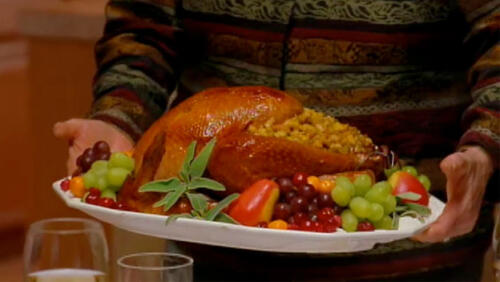
What foods topped the table at the first harvest feast? Historians aren't completely certain about the full bounty, but it's safe to say the pilgrims weren't gobbling up pumpkin pie or playing with their mashed potatoes. Following is a list of the foods that were available to the colonists at the time of the 1621 feast.

Foods That May Have Been on the Menu

Seafood: Cod, Eel, Clams, Lobster
Wild Fowl: Wild Turkey, Goose, Duck, Crane, Swan, Partridge, Eagles
Meat: Venison, Seal
Grain: Wheat Flour, Indian Corn
Vegetables: Pumpkin, Peas, Beans, Onions, Lettuce, Radishes, Carrots
Fruit: Plums, Grapes
Nuts: Walnuts, Chestnuts, Acorns
Herbs and Seasonings: Olive Oil, Liverwort, Leeks, Dried Currants, Parsnips

Surprisingly, the following foods, all considered staples of the modern Thanksgiving meal, didn't appear on the pilgrims's first feast table:

What Was Not on the Menu

Ham: There is no evidence that the colonists had butchered a pig by this time, though they had brought pigs with them from England.
Sweet Potatoes/Potatoes: These were not common.
Corn on the Cob: Corn was kept dried out at this time of year.
Cranberry Sauce: The colonists had cranberries but no sugar at this time.
Pumpkin Pie: It's not a recipe that exists at this point, though the pilgrims had recipes for stewed pumpkin.
Chicken/Eggs: We know that the colonists brought hens with them from England, but it's unknown how many they had left at this point or whether the hens were still laying.
Milk: No cows had been aboard the Mayflower, though it's possible that the colonists used goat milk to make cheese.

However, the only two items that historians know for sure were on the menu are venison and wild fowl, which are mentioned in primary sources. The most detailed description of the "First Thanksgiving" comes from Edward Winslow from A Journal of the Pilgrims at Plymouth, in 1621:

"Our harvest being gotten in, our governor sent four men on fowling, that so we might after a special manner rejoice together after we had gathered the fruit of our labors. They four in one day killed as much fowl as, with a little help beside, served the company almost a week. At which time, among other recreations, we exercised our arms, many of the Indians coming amongst us, and among the rest their greatest king Massasoit, with some ninety men, whom for three days we entertained and feasted, and they went out and killed five deer, which they brought to the plantation and bestowed upon our governor, and upon the captain, and others. And although it be not always so plentiful as it was at this time with us, yet by the goodness of God, we are so far from want that we often wish you partakers of our plenty."

Fact Check We strive for accuracy and fairness. But if you see something that doesn't look right, contact us!

Advertisement

This Day in History

Sep 2

Lead Story

First ATM opens for business, 1969

On this day in 1969, America's first automatic teller machine (ATM) makes its public debut, dispensing cash to customers at Chemical Bank in Rockvi...

Shop History