

9/11: Full Coverage | HISTORY
On September 11, 2001, 19 members of the Islamist extremist group al Qaeda hijacked four commercial airplanes and carried out suicide attacks in the United States. These are the details of that devastating day, the events that led to the attacks, the people on the ground and in the air who helped others and fought back and the ways the nation has mourned and continues to honor those who were killed.
On September 11, 2001, 19 members of the Islamist extremist group al Qaeda hijacked four commercial airplanes and carried out suicide attacks in the United States. These are the details of that devastating day, the events that led to the attacks, the people on the ground and in the air who helped others and fought back and the ways the nation has mourned and continues to honor those who were killed.
Facts on the Attacks
September 11 Attacks
On September 11, 2001, 19 militants associated with the Islamic extremist group al Qaeda hijacked four airplanes and carried out suicide attacks against targets in the United States. Two of the planes were flown into the twin towers of the World Trade Center in New York City, a third plane hit the Pentagon just outside Washington, D.C., and the fourth plane crashed in a field in Pennsylvania.


9/11 Timeline
Track the day and subsequent fallout from the devastating attacks of September 11, 2001.

Flight 93
United Airlines Flight 93 was hijacked by members of the Islamic extremist group al-Qaeda on September 11, 2001. It crashed down in a field in rural Pennsylvania, never reaching its intended target because its crew and passengers fought back against the terrorists.

What Happened at the Pentagon on 9/11?
On 9/11 some evacuated the Pentagon—but kept going back inside.'We pledge to never leave a fallen comrade behind,' says a survivor.
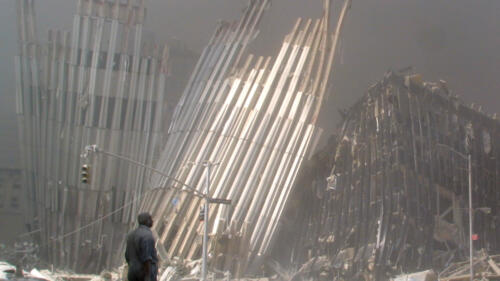
On the Ground

Stories from ‘102 Minutes Inside the Towers’ reveal what people in the World Trade Center saw and experienced on September 11, 2001.

On the morning of 9/11 in New York City, ordinary people picked up video cameras and recorded. This is what they saw—and how they reflected on the experience years later.
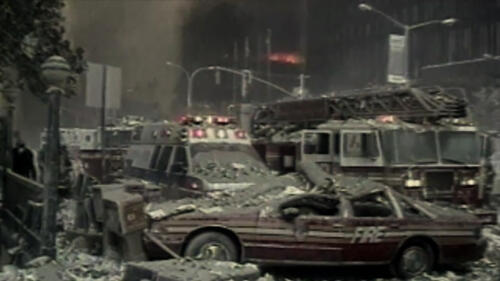
9/11: Pedestrians Flee Twin Towers Area
This video clip provided to "History Uncut" was taken immediately after the planes struck the two World Trade Center towers. We glimpse into the harrowing images of Manhattan that are not often shown in news broadcasts: a cameraman's frantic shadow fleeing the scene of disaster, emergency vehicles rendered unrecognizable by debris, and members of the NYPD who attempt to make sense out of the destruction.

The firefighter deaths on Sept. 11 amounted to more than a third of the approximately 1,000 emergency personnel at the scene.
In the Air

Here’s how the profession’s most chaotic—and harrowing—day unfolded.

The cockpit voice recorder captured the sound of passengers attempting to break through the door.
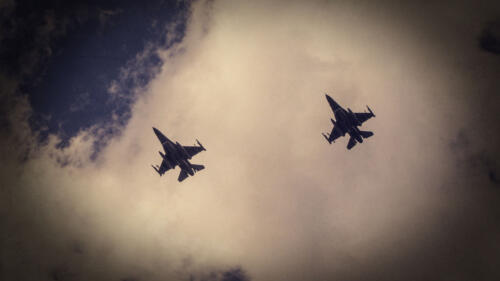

On September 11, the Secret Service decided the safest place for the president was on board Air Force One. But being in the skies added to the day’s confusion.
The Lead-Up

Among the missteps: lack of intel-sharing between agencies, tepid responses to earlier attacks and a failure to grasp the magnitude of the terrorists' ambitions.

Two September 11 experts discuss the motives behind the attacks, how U.S. leaders missed so many warning signs and what it was like to meet Osama bin Laden.
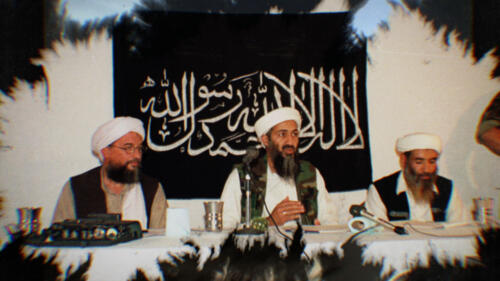
How Decades of Instability Gave Rise to Al-Qaeda and the 9/11 Attacks
Learn how decades of violence and volatility created the conditions for Al-Qaeda to rise and attack the U.S. on September 11, 2001. Understand how U.S. intelligence failed to anticipate the 9/11 attacks, despite growing threats and warning signs.
In Remembrance
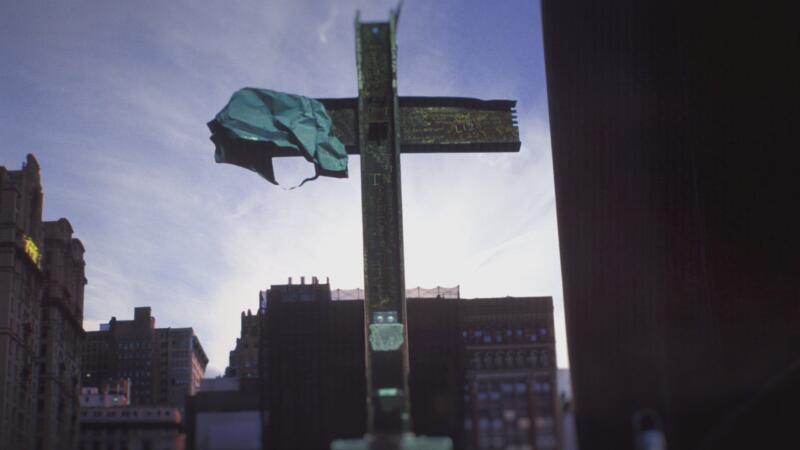
Remembering 9/11: The Ground Zero Cross
A cross found in the rubble of Ground Zero survives after being discovered by a construction worker searching for survivors.

9/11 Lost and Found: The Items Left Behind
A look at some of the artifacts recovered from Ground Zero and from 9/11 victims' families.

5 Books You Can Read to Honor the Heroes of 9/11
Firefighters. First responders. Ordinary citizens. Even canines.

9/11: Rebuilding of Ground Zero
Challenges of Rebuilding After 9/11 Immediately after 9/11, a number of prominent leaders—including New York City Mayor Rudolph W. Giuliani and U.S. President George W. Bush—pledged to quickly rebuild the World Trade Center site as an inspiring symbol o...

Aftermath
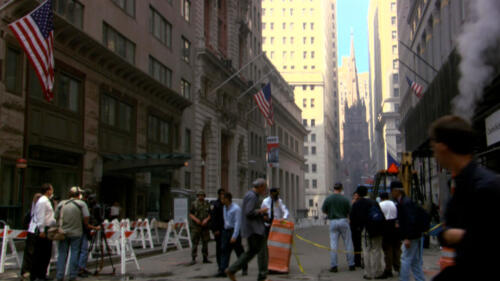

The attacks of 9/11 shocked the nation—and led to changes that altered U.S. government, travel and culture.

In the wake of the attacks of 9/11, President George W. Bush launched an ongoing effort to thwart terrorists before they act.

Shortly after the Twin Towers fell on September 11, 2001, the nation began to mourn, and around the country Americans began to commemorate the victims and demonstrate their patriotism, although backlash against Arab Americans and others also emerged.


