Slavery
Slavery was widely practiced throughout the ancient world, and the exploitation of enslaved Africans fueled the growth and economies of the American colonies in the 17th and 18th centuries. After the American Revolution, the Declaration of Independence promised liberty for all men, but did not end slavery. Conflict over the institution eventually drove the young nation into civil war.
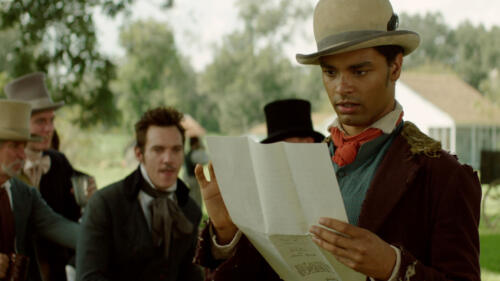

Start Here

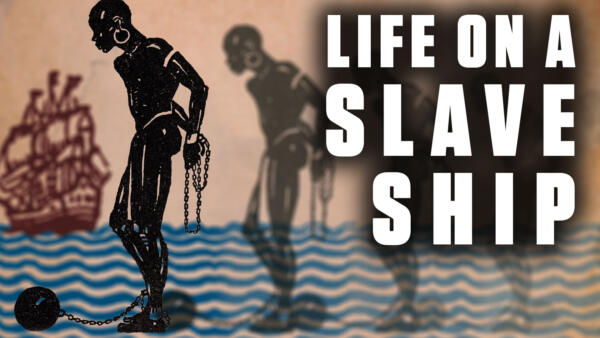
From the role of women to its global scope, here are some lesser-known facts about the transport and enslavement of African people.

In navigating lives of privation and brutality, enslaved people haggled, often daily, for liberties small and large.

From elaborate disguises to communicating in code to fighting back, enslaved people found multiple paths to freedom.

Debate over the Wilmot Proviso inflamed North-South divisions ahead of the Civil War.
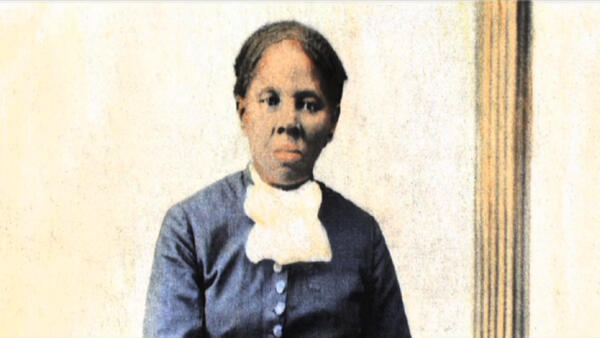
Harriet Tubman
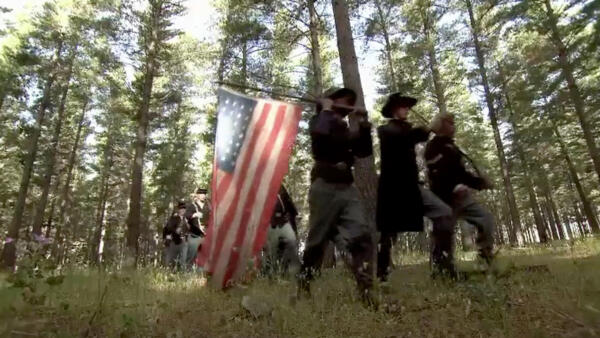
Harriet Tubman: Soldier/Spy
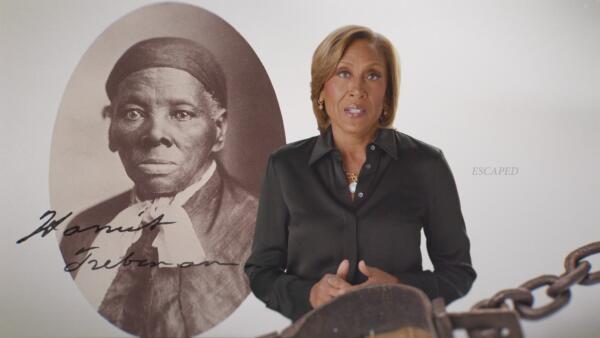
Harriet Tubman, former slave, is known for her role in the underground railroad, but did you know she served in the union army as a soldier and a spy?

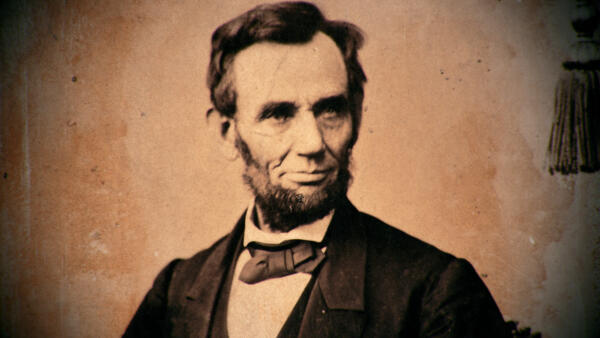
3 Famous Abolitionists


Explore All Related Topics

Loved ones could be sold away at any time. Here's how married couples coped.
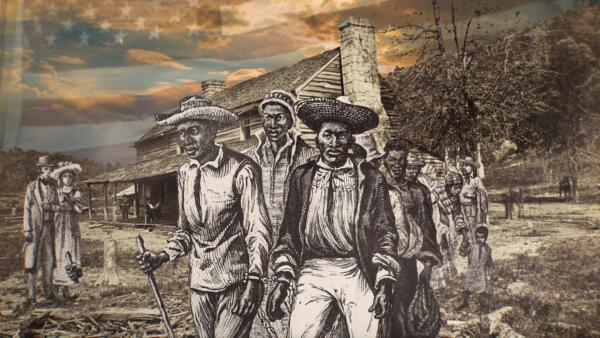

Residents of a Pennsylvania village fought back against slave catchers in what became known as the Christiana Resistance of 1851.
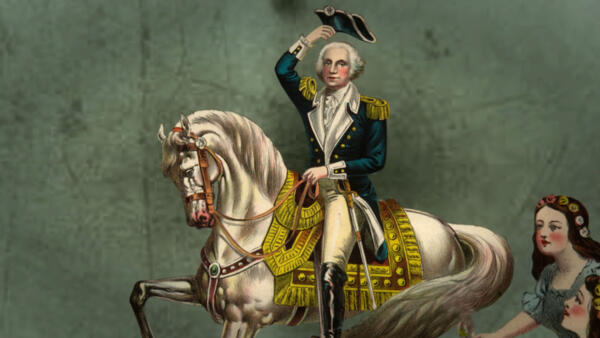

Slavery in America was the institution of enslaving human beings and became the main cause behind the country's Civil War.

For some, it was a rare time of respite; for others, an opportunity for resistance.

The widely circulated image of the enslaved man's wounds helped turn white Northerners against slavery.


From a man who mailed himself to freedom to a husband and wife team of impostors, learn the true stories behind five of American history’s most audacious escapes from slavery.

The 1839 mutiny, led by an African rice farmer known as Cinqué, galvanized the abolitionist movement.

Just two years after the famed Amistad revolt, a mutiny rerouted the slaving brig Creole into British territory, where human bondage was illegal.