Asian American, Native Hawaiian & Pacific Islander History
Asian Americans, Native Hawaiian and Pacific Islanders have played vital roles in shaping the nation—from building the Transcontinental Railroad to advocating for labor law changes to fighting in multiple wars. They made these contributions while also facing persistent discrimination and violence throughout U.S. history.

Start Here

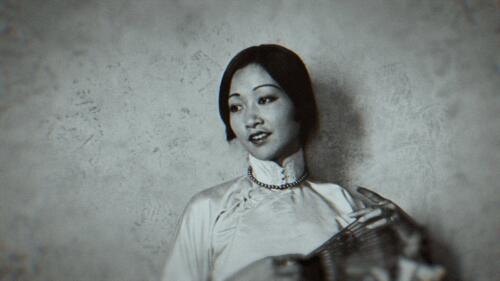
Asian immigrants have come to American shores since the mid-1800s, playing a significant role in U.S. history, but one that’s rife with inequity and exclusion. See a timeline of key events.

Facing economic threats and violence, early Chinese immigrants banded together and created communities to survive—and thrive.

Hawaii became part of the union more than six decades after an illegal coup ousted the Native Hawaiian monarchy.

From disease cures to influential tech to workers' rights, Asian American innovators have made huge impacts on people's lives.
Japanese American Internment
Internment
The Pearl Harbor attack caused a wave of nationalist resentment that had long-reaching effects on the Japanese-American population.

3 Ways Asian Americans and Pacific Islanders Have Shaped U.S. Culture


Explore All Related Topics

Hawaii became part of the union more than six decades after an illegal coup ousted the Native Hawaiian monarchy.

Maya Lin won a design competition—and sparked a national controversy.

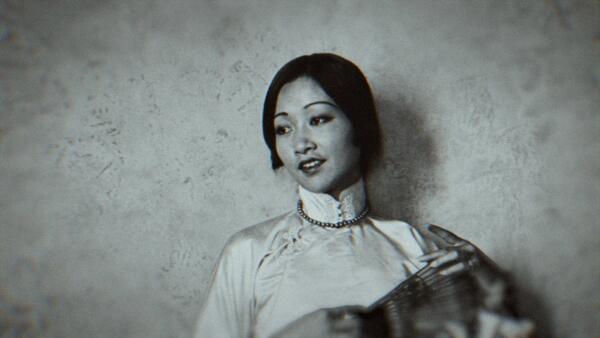
Mabel Ping-Hua Lee fought for the rights of women on two sides of the world.

A Hawaiian princess helped revive the ancient sport of surfing long before Gidget and Moondoggie hit the beach.

The legendary demigod and trickster become a hero across Polynesia through centuries of oral tradition.

While incarcerated, Japanese American girls were determined to support Nisei soldiers serving in World War II.

Larry Itliong was a Filipino American labor leader who organized West Coast farm workers, starting in the 1930s. He became well-known in the 1960s for spearheading the Delano grape strike and teaming with labor leaders Cesar Chavez and Dolores Huerta to demand farm workers' rights.

General Douglas MacArthur led a seven-year occupation that demilitarized, democratized and helped rebuild the Pacific nation.
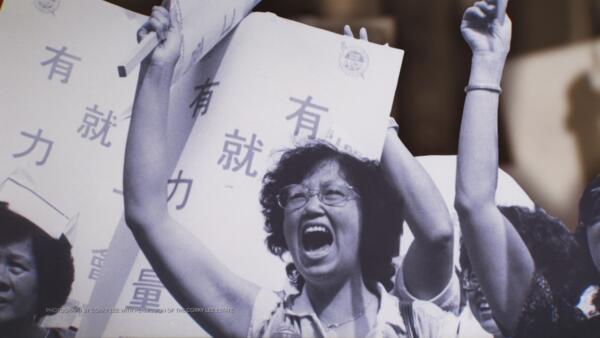
When 20,000 Asian Americans Won Garment Workers’ Rights
In the summer of 1982, nearly 20,000 garment workers—mostly Asian American women—filled the streets of New York’s Chinatown in solidarity. Their strike won a decisive victory and challenged the “model minority” myth that still persists today.

From disease cures to influential tech to workers' rights, Asian American innovators have made huge impacts on people's lives.

In 1898, Wong Kim Ark took on the U.S. government to affirm the principle of birthright citizenship via the 14th Amendment.



Mamie Tape's bid to desegregate San Francisco schools went to the California Supreme Court seven decades before Brown v. Board.


