World War I
World War I—also known as the Great War—pitted Germany, Austria-Hungary and the Ottoman Empire against Great Britain, the United States, France, Russia, Italy and Japan. New military technology resulted in unprecedented carnage. By the time the war was over and the Allied Powers claimed victory, more than 16 million people—soldiers and civilians alike—were dead.

Start Here

This World War I timeline of battles outlines the most important engagements of the 1914-1918 war, from the first Battle of Mons to the final 1918 armistice.

When Austria-Hungary declared war on Serbia in 1914, each of their allies quickly joined the fight.

World War I’s legacy of debt, protectionism and crippling reparations set the stage for a global economic disaster.

These World War I inventions made life easier during—and after—the war.

3 Military Technologies Deployed for the First Time in World War I


The Harlem Hellfighters
The Harlem Hellfighters
The Harlem Hellfighters were an African-American infantry unit in WWI who spent more time in combat than any other American unit. Despite their courage, sacrifice and dedication to their country, they returned home to face racism and segregation from their fellow countrymen.
Explore All Related Topics

The Battle of the Somme was one of the largest battles of World War I, and among the bloodiest in all of human history.

Dogs served loyally at the side of soldiers and medics in World War I.

Intended to curb the spread of tuberculosis, open-air schools grew into a major international movement in the early 1900s.

These five pooches are proof that dogs truly are man’s best friend.

How the Plattsburg camps for young men tried to raise a volunteer army ahead of World War I.

After terrorizing trans-Atlantic ships in World War I, German U-boats grew even more fearsome in World War II.

Even though airplanes were a relatively new invention, the race for air superiority started during World War I.

Over Christmas 1914, singing and soccer broke out between British and German forces.

Before London was blitzed in World War II, massive German zeppelins rained bombs and terror upon the British capital in World War I.

Once Europe’s most prominent striptease performer, Dutch dancer Mata Hari was executed by a French firing squad on October 15, 1917.

The United States entered World War I in 1917, following the sinking of the British ocean liner Lusitania and the shocking discovery of the Zimmermann telegram.

The factory workers painted luminous numbers on watches, clocks and instrument dials using radium-laced paint—and then sued as they faced dire health consequences.

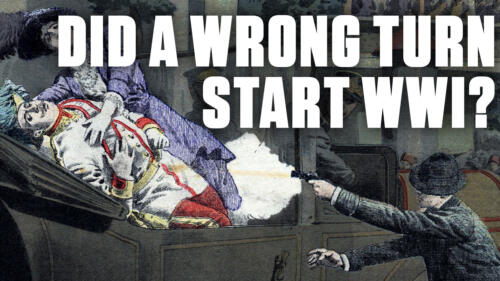
The seeds of the devastating conflict had been planted long before the assassination of Archduke Franz Ferdinand.
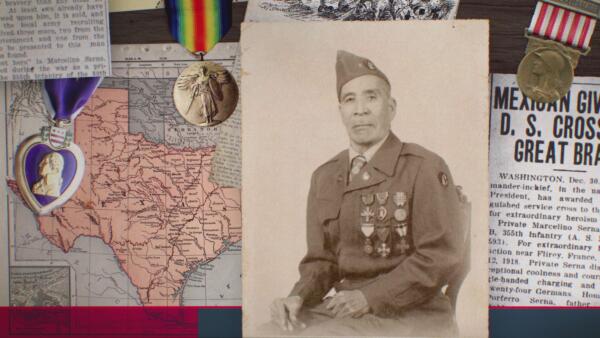


Begun in 1914, World War I saw unprecedented levels of carnage.


