Women’s History
From raising families to leading armies, women such as Catherine the Great, Eleanor of Aquitaine, Queen Amanirenas, Queen Elizabeth I, Susan B. Anthony, Rosa Parks, Marie Curie, Rosalind Franklin and countless others have played a vital role in history.

Start Here

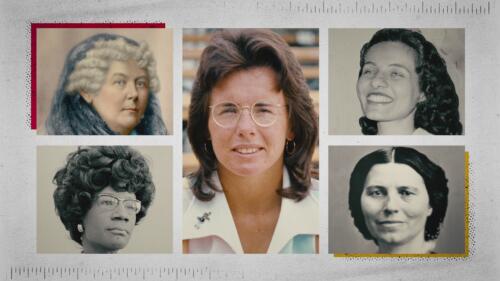
From women’s suffrage and the 19th Amendment to modern political firsts, see key dates for women’s rights in the United States.

The history of established feminist movements in the United States roughly breaks down into four different time periods.

Despite the adoption of the 19th Amendment, many women of color, immigrant women and poorer women continued to face barriers at the polls.

They scored historic victories in their respective countries and left lasting legacies.

3 Women Who Ruled the Ancient World


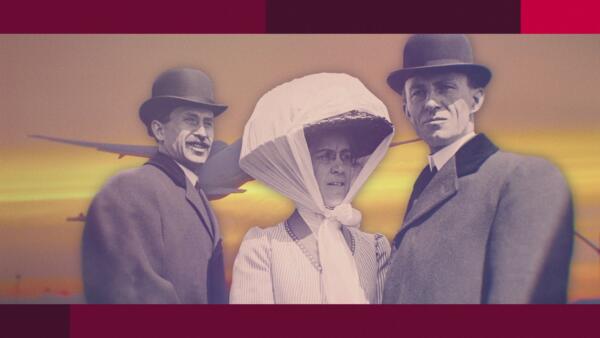
Women Take to the Skies During WWII
More to History: Women Take to the Skies During WWII
In America's forgotten war, one hero with heritage on the other side of the battlefield put himself in harm's way to save his fellow soldiers.
Explore All Related Topics

Roe v. Wade was a 1973 legal decision in which the Supreme Court struck down a statute banning abortion, effectively legalizing abortion.

From co-founding Ms. magazine to leading marches, Gloria Steinem spent decades fighting for women’s rights.

Journalist, feminist and activist Gloria Steinem was one of the most visible advocates for women’s rights of the 20th and 21st centuries.

For 50 years before the adoption of the 19th Amendment, women in Wyoming had full voting rights.

Wearing black was a nod to Anthony's Quaker upbringing—and the uniform of her movement.

Carrie B. Shelton had the power to veto bills as Oregon governor—but she couldn’t vote.

In their battle to win the vote, early women's rights activists employed everything from fashion innovations to hungers strikes.

World War I helped women around the world get the vote.

Harry Burn reversed his anti-suffrage vote after receiving a plea from his mother.

It was at this small gathering where Elizabeth Cady Stanton and others let the discontent of their lives boil over—and decided to do something about it.

The women’s suffrage movement was a decades-long fight to win the right to vote for women in the United States.

Doctors of the Women's Oversea Hospitals Unit operated under bomb and gas attacks. And their all-female support teams built new hospitals—even the coffins.

Gertrude Ederle slathered herself in grease, wore a controversial two-piece bathing suit and ate chicken legs along the way.