Food
Food is an integral part of human history, serving as both sustenance and a symbol of culture, trade and power. From the earliest days of hunter-gatherers to modern-day globalization, what people eat has influenced the course of history.


Start Here

Coffee increased energy and alertness on the battlefield, improved morale and was even used by medics to help prevent shock.

Nathan 'Nearest' Green, who taught Jack Daniel the art of whiskey distillation, went unacknowledged for more than 150 years.

The origins of ice cream, sorbet and other chilled dairy treats are difficult to pin down—but span back to antiquity.

Peanut butter. Ice cream cones. Cotton candy. The 1904 St. Louis exposition popularized some of America’s favorite foods.

3 Iconic Food Mascots


Combat Rations
Combat Rations in WWII
During World War II, feeding thousands of troops in enemy territory wasn't easy. Discover how soldiers carried rations into battle.
Explore All Related Topics

A key ingredient in the flavor was discovered on ancient pottery shards in Indonesia, revealing it has been around for a long, looooong time.

The Columbian Exchange transformed the chile pepper into a sought-after food crop around the world.

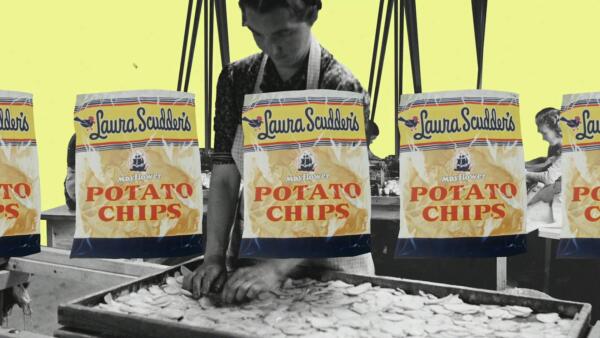
Here’s how the humble fried potato became an American staple.

Fried dough dates back thousands of years. But who invented the doughnut hole?

America's weirdest salad was once the star of the midcentury dinner table.

Which one was your favorite?

These ice cream shops have been serving scoops, frozen custard or gelato for more than a century.
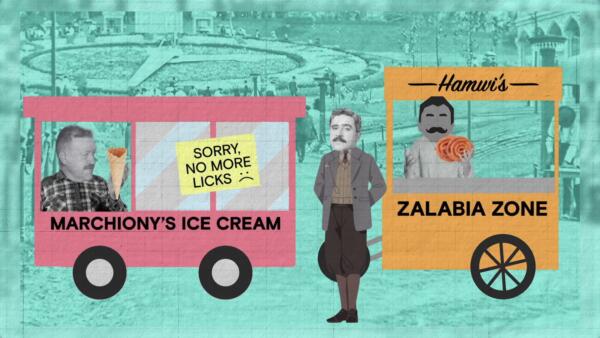
Mistakes That Made America: Ice Cream Cones
A makeshift solution at a crowded fair, when a vendor runs out of dishes and rolls a waffle into a cone, unexpectedly transforms how ice cream is served, turning a moment of improvisation into one of the most iconic treats in the world. But what's the real truth behind the legendary story?

The find in the 2,200-year-old grave reveals the ritual significance of beer in ancient Chinese culture.

Clarence Birdseye took note of how Indigenous Canadians 'flash froze' their fish—and forever changed the way Americans ate.

Some confections even played a role in U.S. history.

Dim sum for Christmas? The experiences of immigrants in New York explain how the tradition began.