Playlist
The Moments That Defined American Leadership
Tracing 250 years of American government—how democracy was built, tested, and strengthened through leadership, law, and civic action.
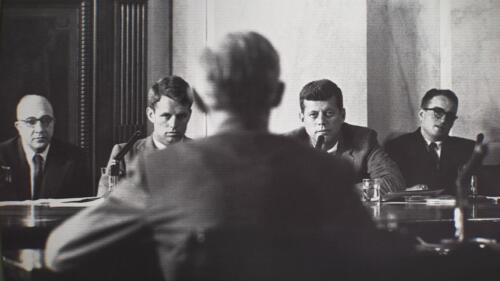
How JFK Established the Peace Corps
Less than two months into his presidency, JFK signed Executive Order 10924, formally creating the Peace Corps as an agency within the U.S. State Department. By the end of 1961, 750 inaugural Peace Corps volunteers had served in 13 countries.
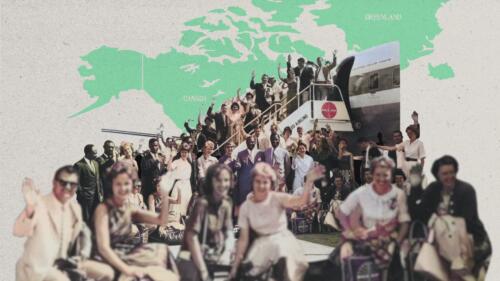
How JFK Established the Peace Corps
Less than two months into his presidency, JFK signed Executive Order 10924, formally creating the Peace Corps as an agency within the U.S. State Department. By the end of 1961, 750 inaugural Peace Corps volunteers had served in 13 countries.
Why Harry Truman Ended Segregation in the US Military in 1948
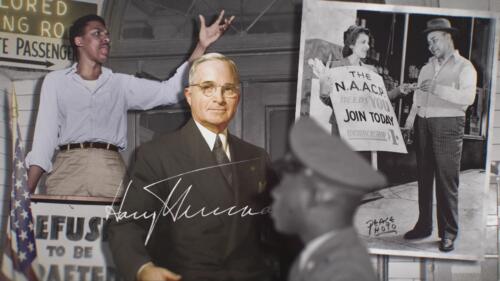
On July 26, 1948, President Harry S. Truman signed Executive Order 9981, mandating the desegregation of the U.S. Armed Forces and ending 170 years of officially sanctioned racial discrimination in the military. Although African Americans had served since the Revolutionary War, they were typically segregated from white troops and often assigned to menial roles. A landmark achievement of both the postwar civil rights movement and Truman’s presidency, the order marked one of the first times a U.S. president used executive authority to advance civil rights. It also helped pave the way for broader desegregation efforts across American society.
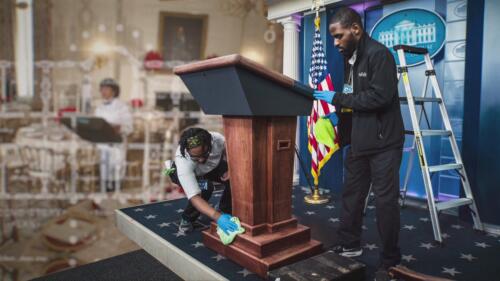
Turning Over the White House
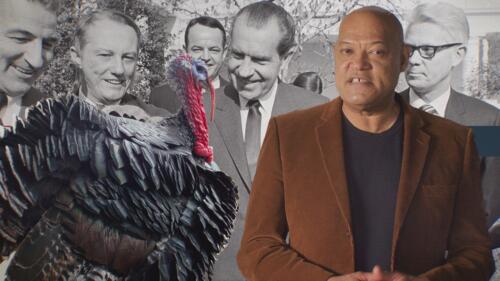
The White House is meant to reflect its occupant, and when a new president comes to town, things have to be changed very quickly. But what goes into the peaceful transfer of power? And how do workers turn the White House over in the blink of an eye?