Ancient Greece
Ancient Greece, the birthplace of democracy, was the source of some of the greatest literature, architecture, science and philosophy in Western civilization, and home to beautiful historical sites like the Acropolis and the Cretan palace of Knossos.

Start Here

Greek mythology, and its ancient stories of gods, goddesses, heroes and monsters, is one of the oldest and most influential groups of legends in human civilization.

In Plato's 'Republic,' the ancient Greek philosopher lays out five different forms of government, ranging from ideal to oppressive.

Athens developed a system in which every free Athenian man had a vote in the Assembly.

Here's how Alexander, one of history's most iconic military leaders, grew the ancient Greek kingdom of Macedonia and conquered the Persian Empire.
10 Amazing Ancient Olympic Facts
10 Amazing Ancient Olympic Facts
From naked athletes to foot-only races, these are 10 surprising facts you didn’t know about the ancient Olympics.

3 Sports of Ancient Greece


Explore All Related Topics

“His death may be the most famous case of pseudothanatos, or false diagnosis of death, ever recorded.”

The legendary Greek poet behind 'The Odyssey' and 'The Iliad' is often depicted as blind—was he even real?

Homer’s epic popularized a number of terms and phrases.

The law, prominently featured in Homer's epic, 'The Odyssey,' spells out how to treat strangers and guests.

Why was part of the ‘Iliad’ buried with a mummy? Plus, four more Homeric discoveries.
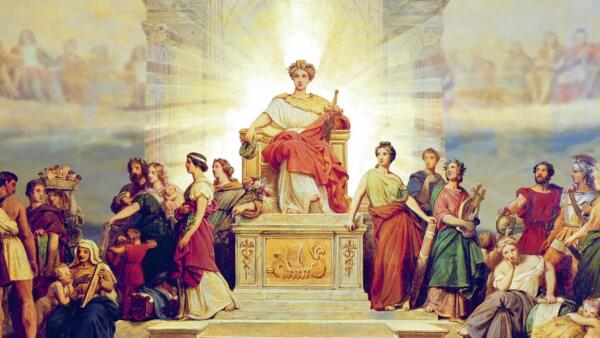
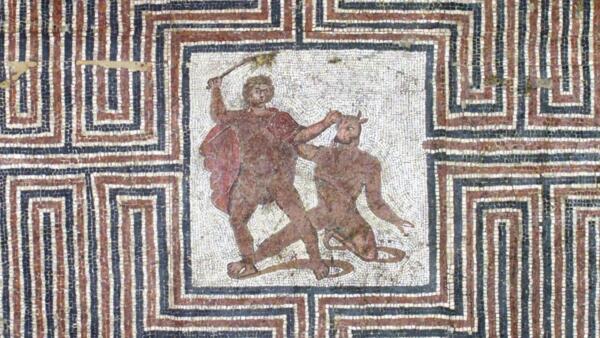

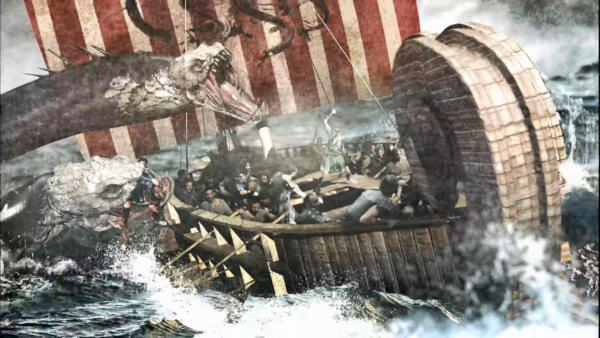
Homer's creatures drew on centuries of oral tradition, geography and mysteries of the natural world.
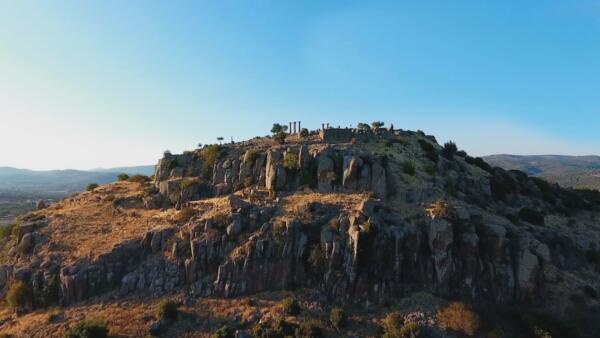

The island of Ithaca exists—is it the place Homer described?

These ancient scripts offer tantalizing clues about civilizations we still don’t fully understand.

The roots of the concept date back to ancient Greece and the Peloponnesian War.

The pre-wedding send-off traces back to ancient customs.


