Cold War
The Cold War rivalry between the United States and the Soviet Union lasted for decades and resulted in anti-communist suspicions and international incidents that led the two superpowers to the brink of nuclear disaster.

Start Here

American and British pilots ferried some 2.3 million tons of supplies into West Berlin on a total of 277,500 flights, in what would be the largest air relief operation in history.

These are the steps that brought the United States and Soviet Union to the brink of nuclear war in 1962.

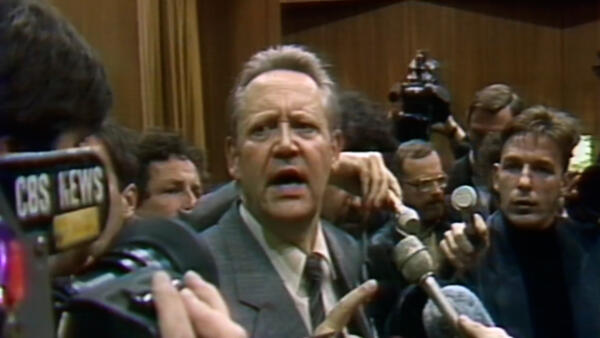
Reagan's words reflected a shift that was underway as Soviet reforms and protests were pressuring the East German government to open barriers to the West.

Amid an escalating arms race, civil defense drills offered comically simple strategies for surviving an atomic attack.

3 Cold War Close Calls


Explore All Related Topics

A temporary solution to organize Germany into four occupation zones led to a divided nation under the Cold War.

Though silent in public, President Dwight D. Eisenhower worked behind the scenes to discredit Senator Joseph McCarthy and his red-baiting tactics.

In 1983, Soviet officer Stanislav Petrov trusted his intuition and called a warning of an incoming missile a false alarm.


Thanks to a Cold War strategy called ‘Atoms for Peace,’ President Eisenhower laid the foundations for the Iranian nuclear weapons program.

Michael and Robert Rosenberg became orphans when their notorious parents were executed for espionage. Then what happened?

Julius and Ethel Rosenberg were the only spies executed during the Cold War and some question whether their sentence was fair.

The pledge, as recited by U.S. schoolchildren, wasn’t standardized until World War II, and didn’t contain “under God” until 1954.

The American hockey squad beat the odds and defeated the Soviet team at the 1980 Winter Olympics in what was called the 'miracle on ice.'

Starting in the 1990s, START treaties significantly reduced the global nuclear stockpile.
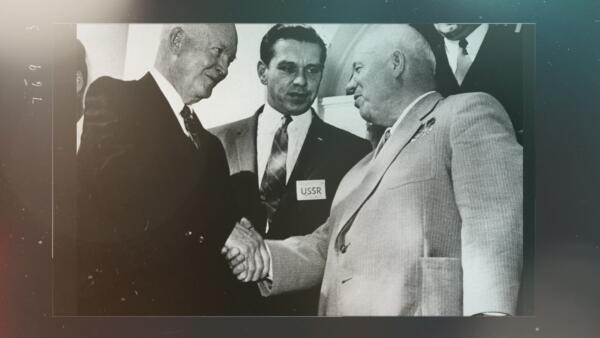
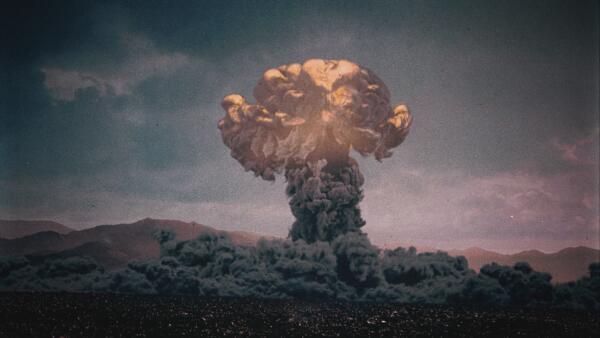
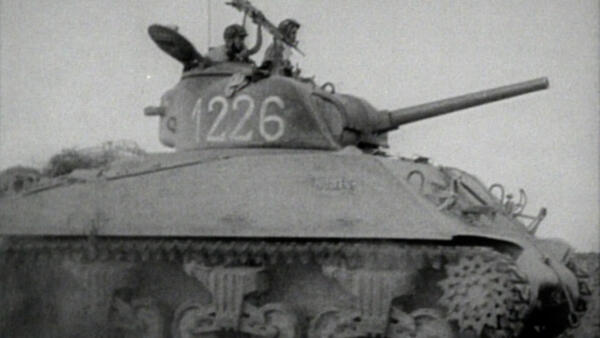
Here's Why the Suez Crisis Almost Led to Nuclear War
Discover the history of the Suez Canal and how Egypt's President Nasser, with the support of the Soviet Union, seized the canal from the British in 1956, causing an international crisis. See how President Eisenhower intervened to help restore order.

The theoretical physicist was targeted during the Red Scare.