Renaissance
The Renaissance, a vibrant period of European cultural, artistic, political and scientific “rebirth” after the Middle Ages, was led by people including Leonardo da Vinci, Michelangelo, Machiavelli and the Medici family.

Start Here

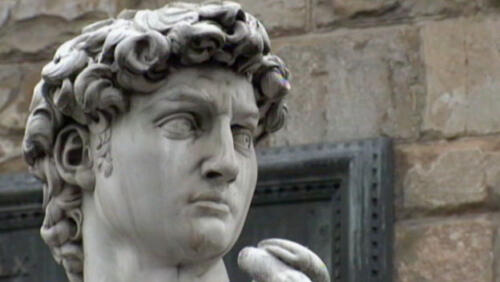
The chapel's famous ceiling stands as one of the masterworks of the Italian Renaissance—and of world art.

As interest in cultural, intellectual and scientific exploration flourished, support for an all-powerful church diminished.

The Medici family was a powerful dynasty that ruled Florence, Italy, and soon spread their artistic and economic influence throughout Renaissance Europe.

In the 15th century, an innovation enabled people to share knowledge more quickly and widely. Civilization never looked back.

3 Masters of Renaissance Art


Raphael (1483-1520)
A leading figure of Italian High Renaissance classicism, Raphael is best known for his "Madonnas," including the Sistine Madonna, and for his large figure compositions in the Palace of the Vatican in Rome.
Explore All Related Topics

Hidden beneath a Florentine church, the chamber might have been Michelangelo’s refuge from a death sentence. What was left behind?

Niccolo Machiavelli was a diplomat, politician and writer in Renaissance Italy whose most infamous quotes come from his books The Prince and The Art of War.

The Renaissance advanced culture, arts, politics and commerce.

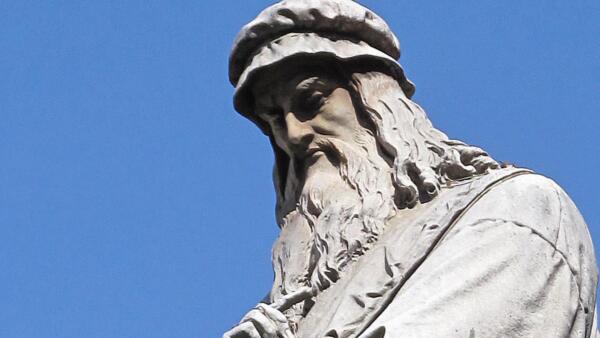
Leonardo da Vinci—architect, inventor, scientist and painter of the 'Mona Lisa' and 'The Last Supper'—was a major figure of the Italian Renaissance.

Petrarch's 1336 account of his ascent of Mont Ventoux became a touchstone for those who love to climb peaks.

The chapel's famous ceiling stands as one of the masterworks of the Italian Renaissance—and of world art.

The Italian Renaissance in Context Fifteenth-century Italy was unlike any other place in Europe. It was divided into independent city-states, each with a different form of government. Florence, where the Italian Renaissance began, was an independent rep...

The Medici family was a powerful dynasty that ruled Florence, Italy, and soon spread their artistic and economic influence throughout Renaissance Europe.

Known as the Renaissance, the period immediately following the Middle Ages in Europe saw a great revival of interest in the classical learning and values of ancient Greece and Rome. Its style and characteristics emerged in Italy in the late 14th century and persisted through the early16th century.
Michelangelo was a sculptor, painter and architect widely considered to be one of the greatest artists of the Renaissance. His works include the Sistine Chapel.
Nine surprising facts about the Renaissance artist often called “the Divine One.”
Find out more about the Medici family, who encouraged the careers of such luminaries as Michelangelo and Galileo and whose members included popes, queens and a long line of dukes.

Research has revealed details the mysterious teenage orphan who gave birth to the world’s most famous artist.

From Leonardo Da Vinci’s android to a French-made artificial duck, learn more about seven early mechanical wonders.