St. Patrick’s Day
Held annually on March 17, St. Patrick’s Day observes the death of St. Patrick, the patron saint of Ireland. The holiday has evolved into a celebration of Irish culture with parades, special foods, music, dancing, drinking and a whole lot of green.
Featured Overview
Featured Overview
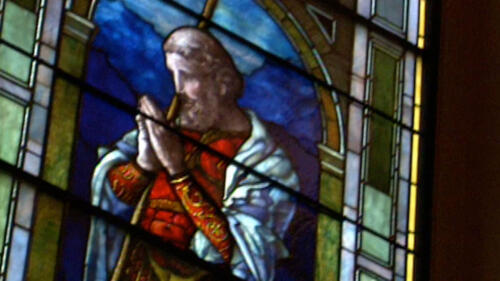
Distinguish St. Patrick's Day myths from reality and find out why this holiday is celebrated by millions of Irish people around the world.
3:17m watch

Illustration by Eduardo Ramón Trejo. Photos from Getty Images.
Featured Overview
Featured Overview
Distinguish St. Patrick's Day myths from reality and find out why this holiday is celebrated by millions of Irish people around the world.
3:17m watch
Start Here
Start Here

St. Patrick’s Day is a global celebration of Irish culture that takes place annually on March 17, the anniversary of the patron saint of Ireland's death in the fifth century. The holiday has spiritual meaning in Ireland, where it has been observed as a religious holiday for over 1,000 years.

He wasn't Irish, but he found his faith while being held as prisoner by a group of Irish raiders.

St. Patrick may be the patron saint of Ireland, but many St. Patrick’s Day traditions were born in the United States.

Before you celebrate St. Patrick’s Day, get your facts straight by exploring common misconceptions about the holiday.

3 Surprising Facts About St. Patrick’s Day
3 Surprising Facts About St. Patrick’s Day


Saint Patrick
Saint Patrick
Was St. Patrick Irish?
St. Patrick converted the Irish to Christianity, but there's more to know about Ireland's patron saint—like the fact that he wasn't Irish.
1:00 watch
Explore All Related Topics
Explore All Related Topics

The British retreated from Boston on March 17, 1776, in the first major Patriot victory of the American Revolution.

Dressing in green on St. Patrick's can trace its roots to leprechaun legends, as well as a sign of Irish defiance.

Who was the real St. Patrick? Was that legend about the snakes true? And why did so many St. Patrick's Day traditions start in America?
Before you celebrate St. Patrick’s Day, get your facts straight by exploring common misconceptions about the holiday.

St. Patrick's Day in 1776 was more than just an Irish-American celebration... it was also a step towards freedom.
0:57m watch

The patron saint of Ireland first arrived in Ireland in the hold of a slave ship.
St. Patrick may be the patron saint of Ireland, but many St. Patrick’s Day traditions were born in the United States.

Learn about the first, earliest, biggest and most famous St. Patrick's Day parades around the world, in cities including New York, Boston, Chicago and Dublin.

The holiday was traditionally a more solemn occasion on the Emerald Isle—until Americans got involved.

St. Patrick is the patron saint of Ireland, but was he really Irish? Get the answer now.
2:04m watch
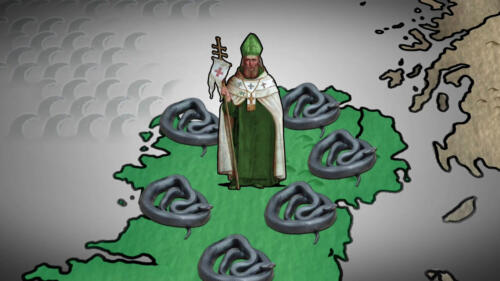
Get the real story about this beloved Irish holiday and the patron saint it's named after.
2:24m watch

The mythological beings known as "leprechauns" have appeared for centuries in Irish folklore. The pot of gold didn't come until much later.
1:19m watch
Distinguish St. Patrick's Day myths from reality and find out why this holiday is celebrated by millions of Irish people around the world.
3:17m watch

Green was not the first color associated with St. Patrick, so just how did green come to represent the holiday?
1:08m watch

The St. Patrick's Day Parade on Fifth Avenue is a New York City tradition, but did you know the first one was held even before the Declaration of Independence was signed?
2:01m watch
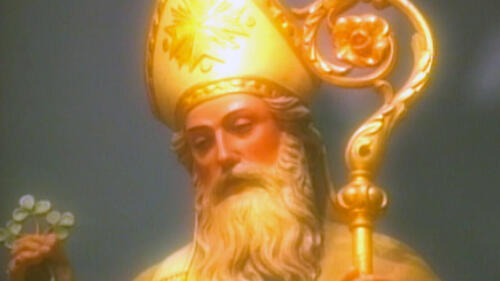
Why are shamrocks associated with St. Patrick's Day? The real history of this little green plant is steeped in religion, heritage, and Irish national pride.
0:53m watch

St. Patrick converted the Irish to Christianity, but there's more to know about Ireland's patron saint—like the fact that he wasn't Irish.
1:00m watch
St. Patrick’s Day is a global celebration of Irish culture that takes place annually on March 17, the anniversary of the patron saint of Ireland's death in the fifth century. The holiday has spiritual meaning in Ireland, where it has been observed as a religious holiday for over 1,000 years.

St. Patrick’s Day is a holiday known for parades, shamrocks and all things Irish. From leprechauns to the color green, find out how symbols we now associate with St. Patrick’s Day came to be, and learn about a few that are purely American inventions.
He wasn't Irish, but he found his faith while being held as prisoner by a group of Irish raiders.