Playlist
U.S. Presidents
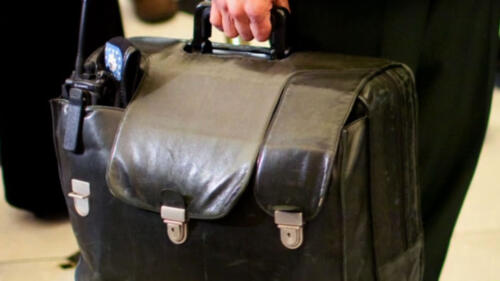
The President's Nuclear Football
The top secret "nuclear football" accompanies the president at all times.
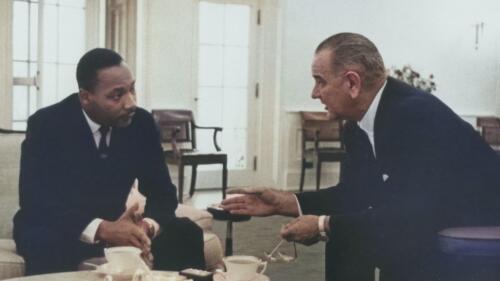
Doris Kearns Goodwin on Empathy
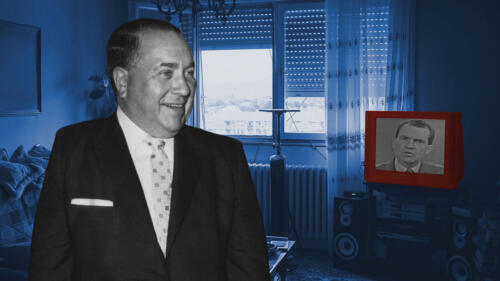
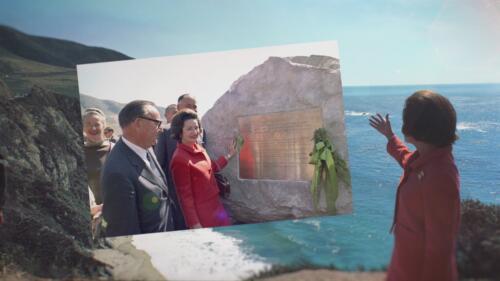
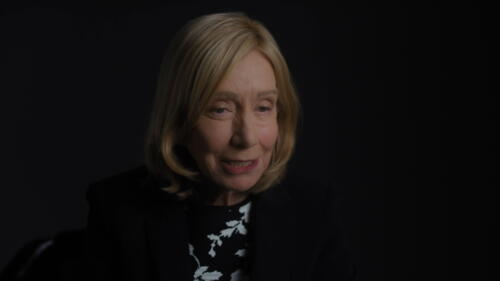
The ability to identify with other points of view can be a breakthrough leadership trait for a president. Presidential historian Doris Kearns Goodwin highlights how empathy impacted President Johnson’s role in shaping the Civil Rights Act and the Great Society.



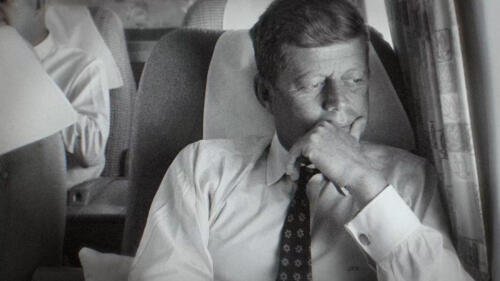
How JFK Established the Peace Corps
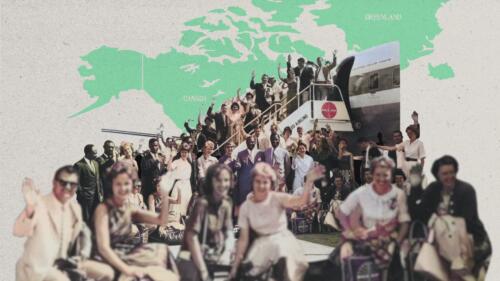
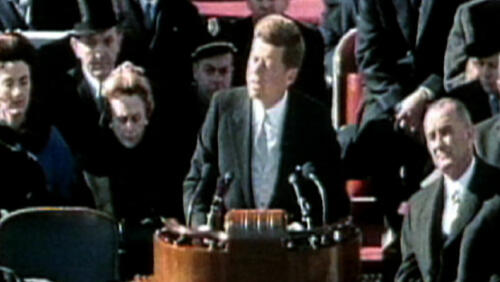
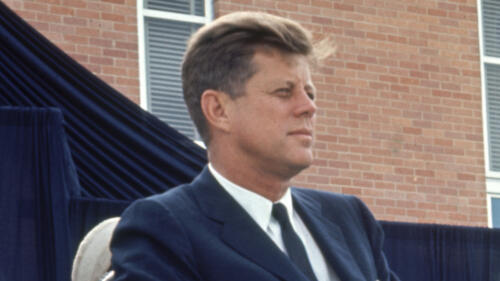
Less than two months into his presidency, JFK signed Executive Order 10924, formally creating the Peace Corps as an agency within the U.S. State Department. By the end of 1961, 750 inaugural Peace Corps volunteers had served in 13 countries.



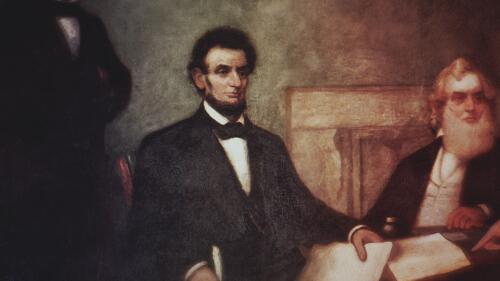
Doris Kearns Goodwin on Relaxation
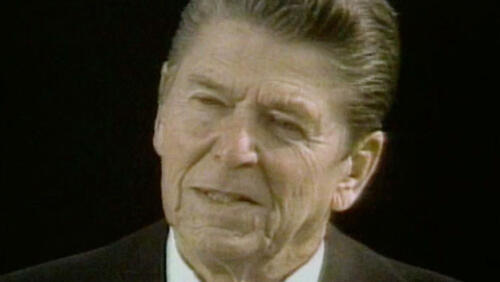
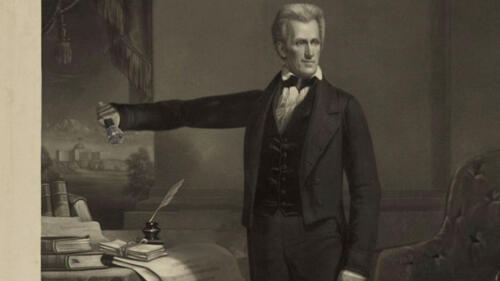
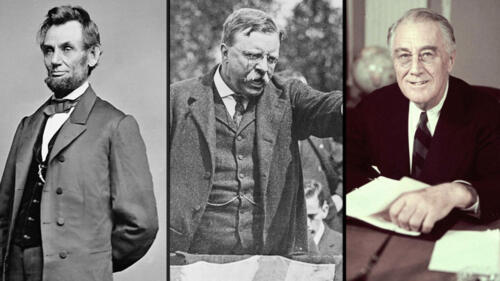
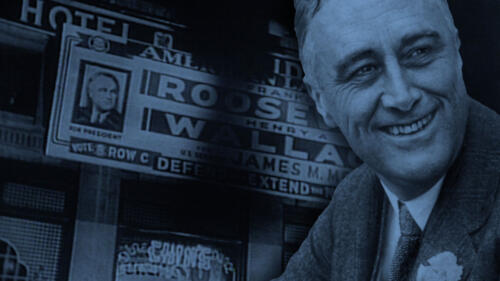
From Franklin Roosevelt to Abraham Lincoln, America’s most iconic presidents knew that getting away from the White House could help them become better leaders. Presidential historian Doris Kearns Goodwin explores the key to this presidential leadership trait.
Campaign Spot: Peace Little Girl (1964)
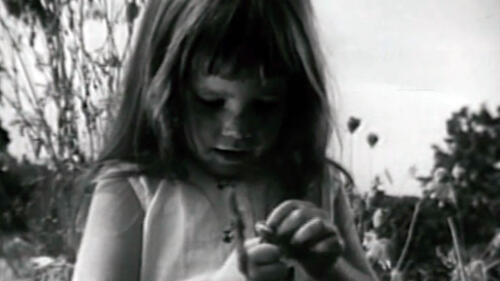
The Daisy ad, one of the most famous political ads of all time, aired only once, but was replayed on the news and elsewhere throughout LBJs campaign. The ad, which implies that a Goldwater presidency could lead to nuclear war, is believed to have played a major role in Johnsons defeat of his opponent.

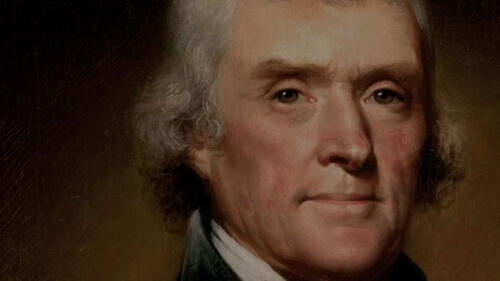
Advice from the Founding Fathers: Thomas Jefferson
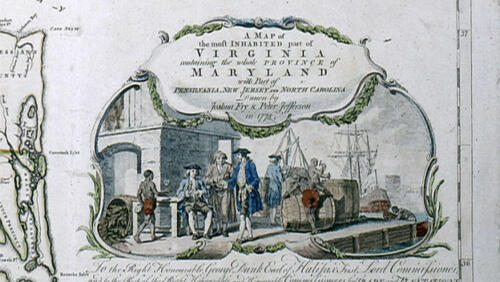
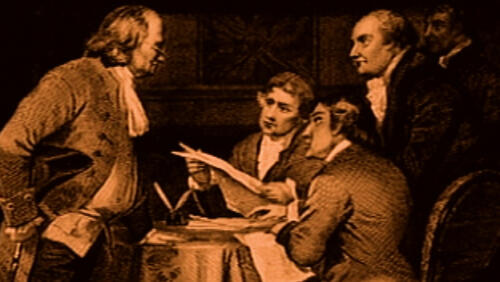
Over the course of his life, Thomas Jefferson developed a list of ideas for those wishing to be on their best personal behavior. A Dozen Canons of Conduct in Life, is a list he sent to his granddaughter, Cornelia Jefferson Randolph.

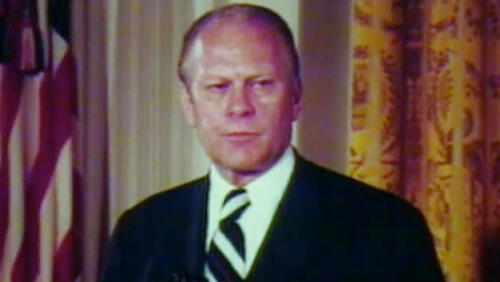



Flashback: Nixon Accepts Nomination
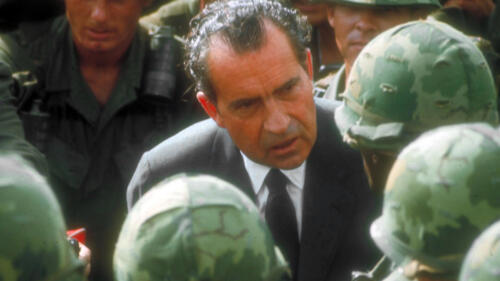
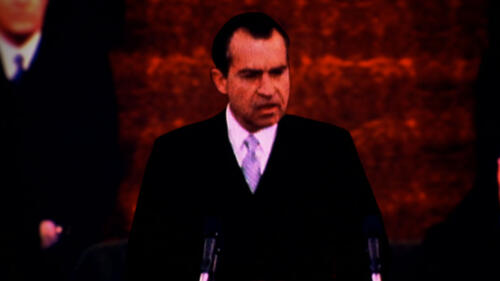
Richard Nixon accepted the Republican Party's nomination for president (for the second time) on August 8, 1968, in Miami, Florida. Nixon narrowly beat out fellow Republican and then-California Governor Ronald Reagan, delivering a speech that reflected his desire to "bring us together again" and reunite the country in divisive times.



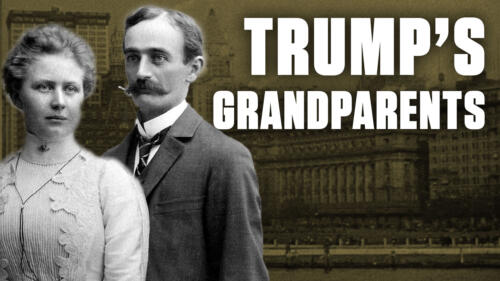
Who Were Donald Trump's Grandparents?
Friedrich and Elisabeth Trump came to New York City as immigrants from Germany in 1902. The Trumps' early days in America were not unlike their counterparts, struggling to find footing in a new and unfamiliar country. However, the elder Trumps planted the seeds that would grow the family into a household name.