19th Century
Though the 19th century saw the rise of populism, the labor movement and Jacksonian democracy, it also ushered in the Gilded Age, when men like Cornelius Vanderbilt and J. P. Morgan wielded vast control over politics and business.
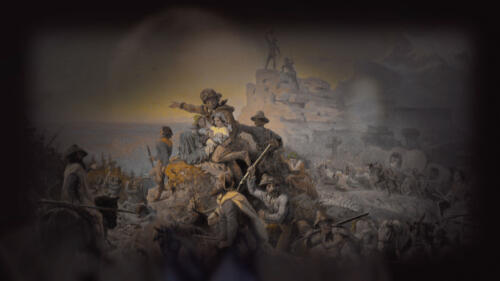

Start Here

As American industrialists and financiers accumulated incredible wealth during the Gilded Age, they strove to outdo one another with lavish spending.

Facing economic threats and violence, early Chinese immigrants banded together and created communities to survive—and thrive.

The swift, often comfortable ride on the Transcontinental Railroad opened up the American West to new settlement.

The Klondike Gold Rush was a mass influx of prospecting migrants to the Canadian Yukon Territory and Alaska after gold was discovered in those regions in 1896.
Labor Movement
Labor Movement
Analyze the impact of the labor movement in America throughout the 19th and 20th centuries.

3 19th-Century Industrialists


Explore All Related Topics

Here's how the Ouija board become one of pop culture’s most enduring symbols of the occult.

Famed hunter-adventurer Steven Rinella shares seven ways to safely navigate the backcountry.

Mrs. O’Leary and her cow have been unfairly blamed for over a century.

From the start, state fairs have attracted crowds with livestock competitions, rides and tasty food.

Daniel David Palmer, creator of chiropractic, claimed the core principles of spinal adjustment were delivered to him during a séance.

A British rock legend’s unlikely fascination drove him to amass the world’s largest private collection of Alamo relics.

Explore some surprising facts about the iconic span.

The Knights of Labor, founded in 1869, was a prominent national labor organization that advocated for worker protections.

The short-lived 19th-century party focused on anti-immigrant policies.

Guides like Daniel Boone and Kit Carson used hard-won knowledge of the land to lead explorers, settlers and soldiers into unfamiliar territory.

Native Californians were treated abominably in the area where gold was first discovered.

Up to 16,000 Native Americans were murdered in cold blood after California became a state.
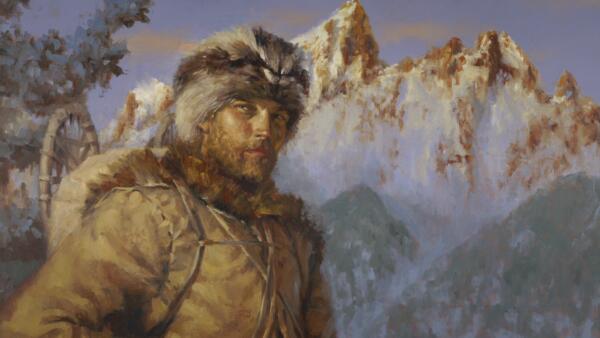

As Europeans sought to control newly settled American land, wars raged between Native Americans and the frontiersmen who encroached on their territory, resources and trade.

The conflict over the Strait of Hormuz is the latest in a long history of contested sea passages.

The women who answered lonely pioneers' newspaper ads didn't just find husbands—they helped build frontier communities.


