Space Exploration
Space exploration, one of the greatest technological achievements in human history, has included the Apollo missions, the launch of the Hubble Telescope and the Space Shuttle missions, among others. These endeavors have been carried out by determined and courageous men and women.


Start Here

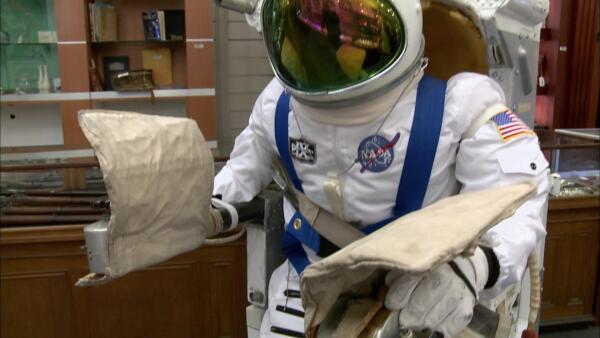
Yes, there was rocket science. But there were also extraordinary amounts of low-tech weaving, stitching and caulking.

These ground-breaking female mathematicians, engineers and scientists produced calculations crucial to the success of NASA's early space missions.

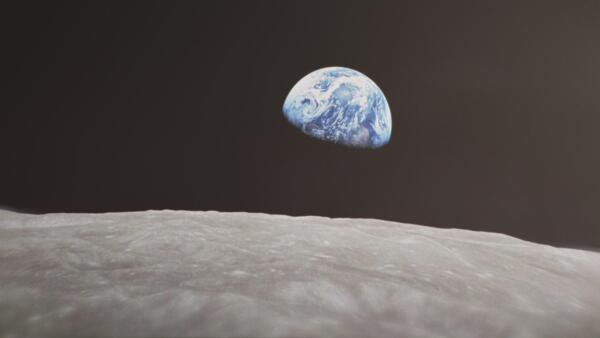
Since the Apollo missions began, space programs have offered a unique perspective on our home planet.

On January 28, 1986, seven lives were lost when safety concerns were not communicated amid pressure to proceed with the launch.
NASA’s Early Years
NASA's Early Years
In 1958, NASA was founded and quickly took up the goal of sending a man into Earth's orbit -- and safely returning him home. Seven men were chosen for Project Mercury, embarking on years of training to prepare for a journey no one had made before.

3 Surprising Facts About the Moon Landing


Explore All Related Topics

The launch of Sputnik in October 1957 sparked a space race that reshaped education, science, technology and everyday life.

Earthrise is a photo taken by NASA astronaut Bill Anders on December 24, 1968, that gave people an awe-inspiring view of their home planet.

Look back at the controversial decision to give Pluto the pink slip and shrink the solar system from nine planets to eight.

As NASA rovers Curiosity and Perseverance continue to explore Mars, here are five key events that piqued public interest in the Red Planet.

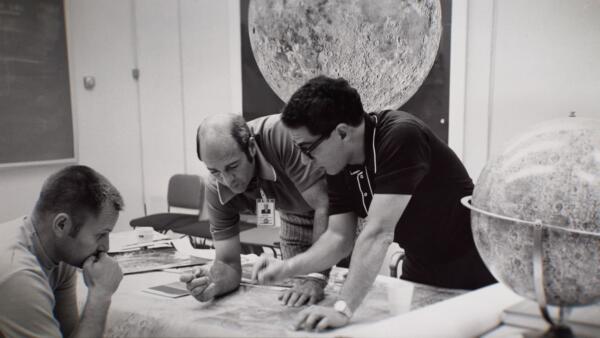
The astronaut crew had to troubleshoot a series of problems throughout the historic 1969 flight.

On the anniversary of Sputnik's launch, explore seven of the Soviet Union’s firsts in the history of space exploration.

For decades, humanity has searched for signs of alien life, but many have been disproven or remain inconclusive.

Since the Apollo missions began, space programs have offered a unique perspective on our home planet.

The three stranded astronauts caught a free ride back to Earth using the moon's gravity.

On January 28, 1986, seven lives were lost when safety concerns were not communicated amid pressure to proceed with the launch.

In 1960, Joe Kittinger ascended more than 19 miles above Earth—then leapt.

The famous comet only passes by the Earth roughly once every 76 years, but its appearances have often influenced historical events.

Apollo 13 was the seventh manned mission in the Apollo Space program (1961-1975) and the third lunar landing mission, though the three astronauts aboard never reached the moon and scrambled to survive what became a hair-raising rescue mission.


