Playlist
World War II
The End of WWII
The end of World War II was one of the most celebrated moments in 20th-century history—and is marked by multiple historic days.




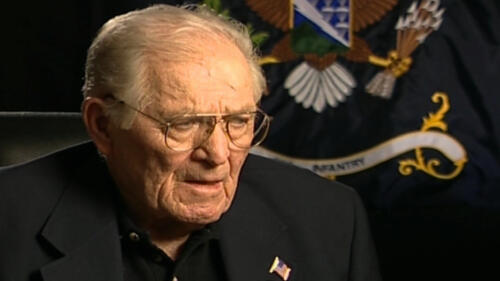
The Proof of Survival: Agnes László Geva's Holocaust Testimony
Agnes László Geva, 92, recalls surviving Auschwitz and a 400 km death march. Saved by her mother’s courage and her own fluency in German, she now shares her story—and her tattoo—as proof, urging us never to remain indifferent to injustice.


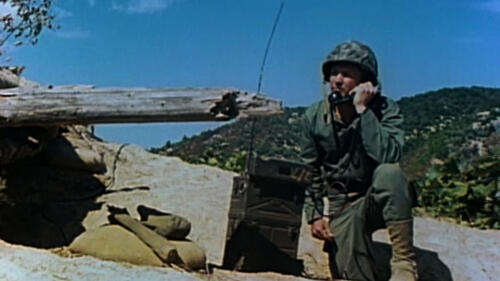
World War II Radios Got the Message Out
In this video clip of History's Mail Call, host R. Lee Ermey, along with Andy Miller of the Military Radio Collectors Club, takes a look at what kind of radios they used in World War II including the handie-talkie, walkie-talkie and TBX8 radio set.
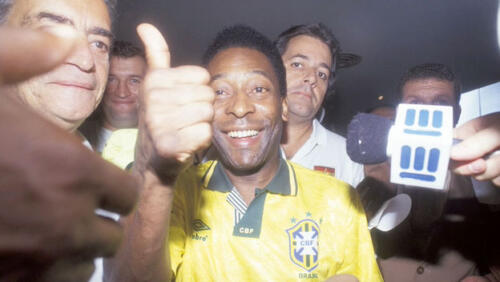
Pele Supports Earth Summit
As goodwill ambassador for the Earth Summit, Brazilian soccer star Edson Arantes do Nascimento, better known as Pele, discusses the importance of the upcoming summit to be held in Rio de Janeiro in June 1992 to discuss an international effort to preserve natural resources by rethinking methods of economic development.
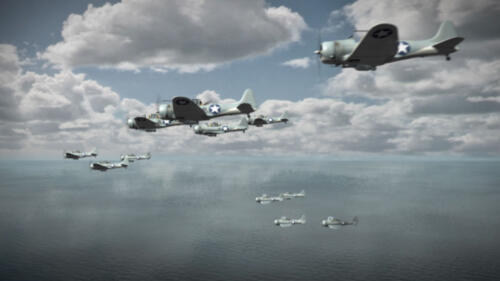
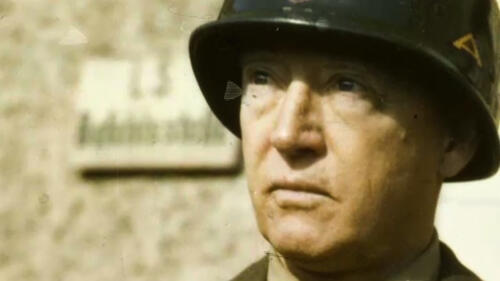

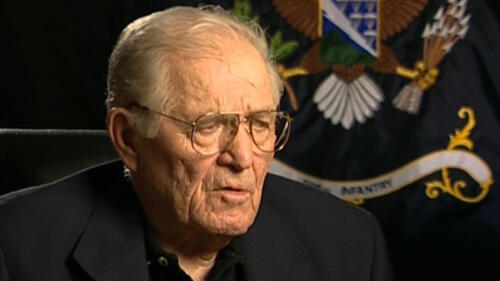
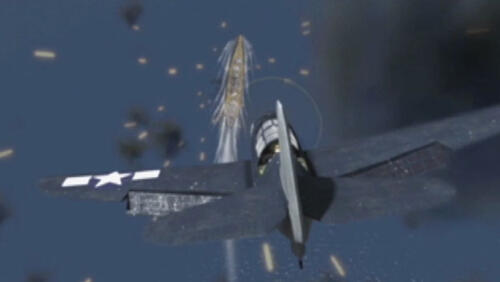


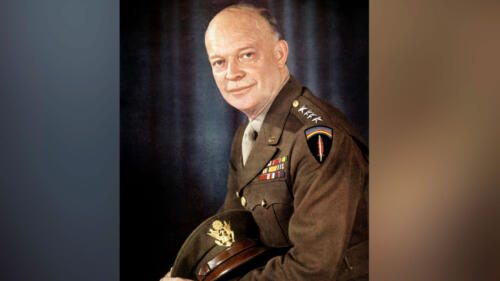
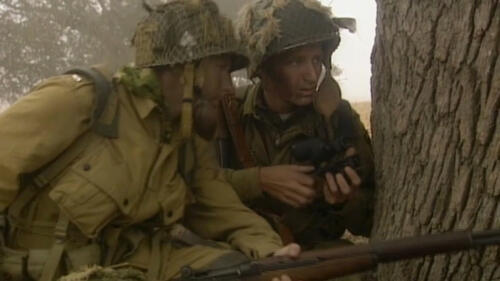

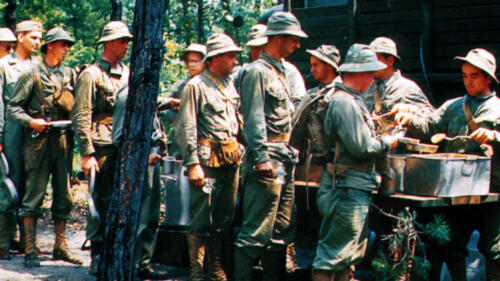
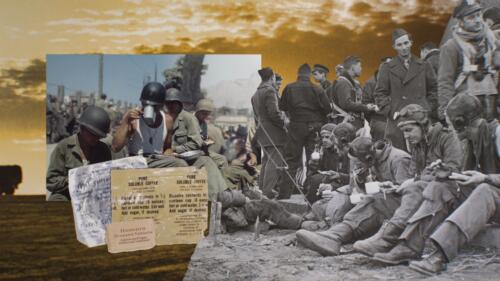


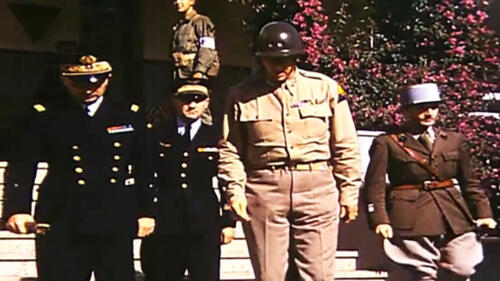

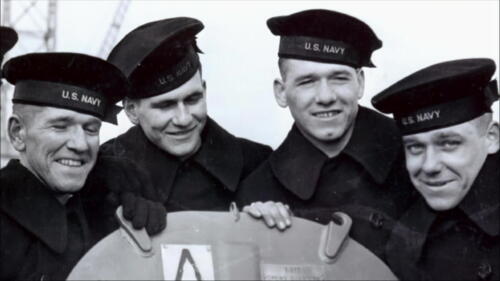

Biggest Naval Battle of WWII (Part 1): The Battle of Leyte Gulf
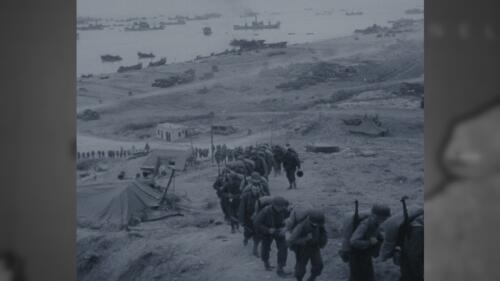
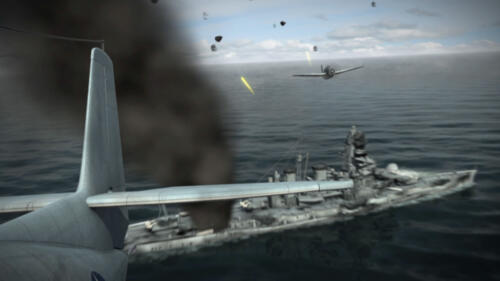
The Battle of Leyte was an amphibious invasion that launched the beginning of the recapture and liberation of the entire Philippines after almost three years of Japanese occupation in this clip from "Battle of Leyte Gulf."

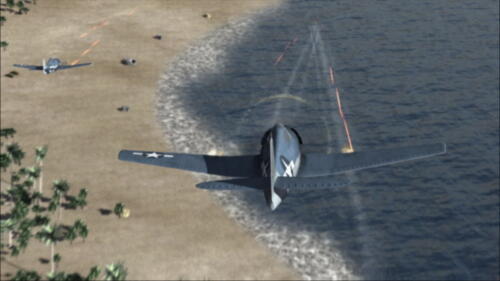



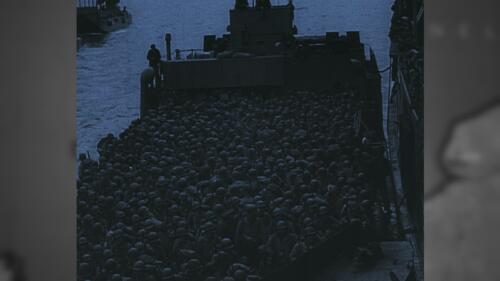

G.I. Bill
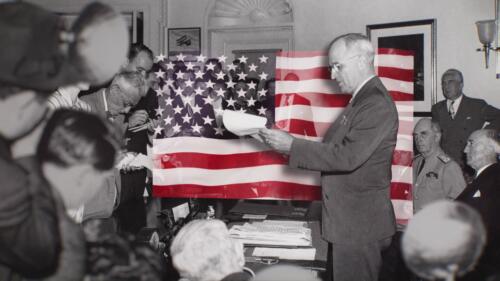
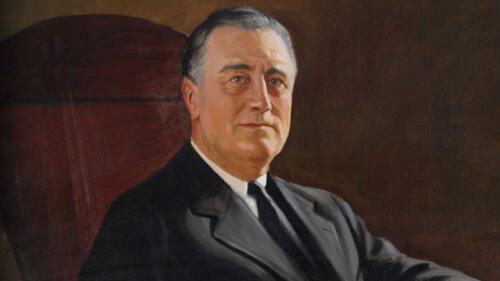
On June 22, 1944, President Franklin D. Roosevelt signed the Servicemen's Readjustment Act, better known as the G.I. Bill, in order to help soldiers secure stability as they returned to civilian life. A broadcast aired shortly after the bill was signed describes a nation preparing to welcome World War II veterans.










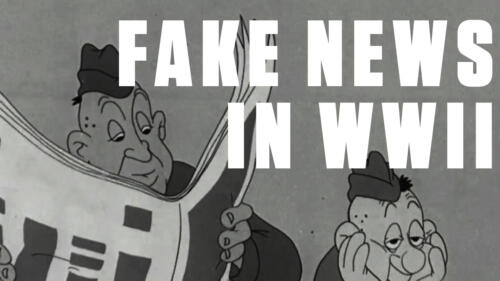
"Private Snafu" Fights Fake News in 1944
Fake news isn’t new news. During WWII, military bases were breeding grounds for false reports and gossip. In this cartoon, part of a series created for the armed forces by Theodor Geisel (a.k.a. Dr. Seuss) and the folks behind Looney Tunes, “Private Snafu” learns the dangers of spreading rumors the hard way.