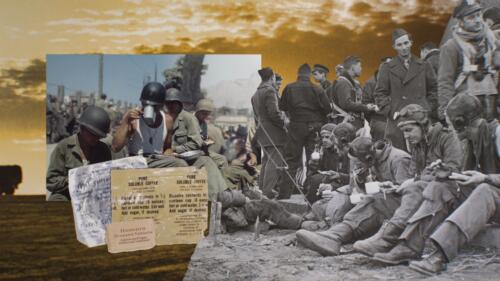
This Day in History: 12/12/1980 - Da Vinci Notebook Sold
Imagine a notebook selling for over $5 million. This is exactly what happened on December 12, 1980, when Armand Hammer paid this amount for Da Vinci's notebook. It was also on this day in 1913 when the Mona Lisa was returned after being stolen from an Italian nationalist two years prior. In 1901, on December 12th, the first radio transmissions were sent across the Atlantic, marking a milestone in communication. Perhaps the most infamous event that occurred on December 12, 2000, was the decision in the Supreme Court Case Bush v. Gore, in which the Supreme Court ordered the stoppage of the Floridian recount, thus making George W. Bush the President of the United States of America. Learn more of the significance of December 12 from this This Day in History video.
Related Videos

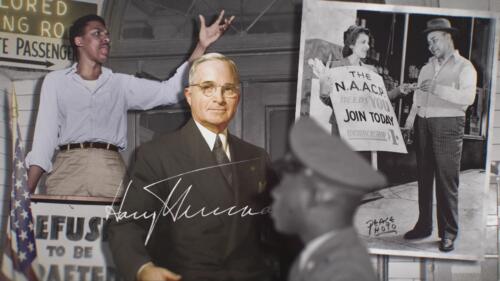
Why Harry Truman Ended Segregation in the US Military in 1948
On July 26, 1948, President Harry S. Truman signed Executive Order 9981, mandating the desegregation of the U.S. Armed Forces and ending 170 years of officially sanctioned racial discrimination in the military. Although African Americans had served since the Revolutionary War, they were typically segregated from white troops and often assigned to menial roles. A landmark achievement of both the postwar civil rights movement and Truman’s presidency, the order marked one of the first times a U.S. president used executive authority to advance civil rights. It also helped pave the way for broader desegregation efforts across American society.
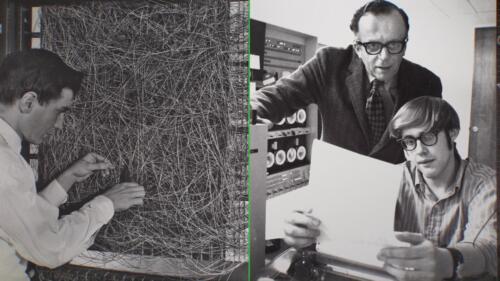
The Birth of the Internet
On October 29, 1969, Stanford programmer Bill Duvall sent a single-word message—"login"—to UCLA student programmer Charley Kline, 350 miles away. Transmitted between two computers that each filled an entire room, this message marked the first communication between networked computers and is widely regarded as the birth of the internet.