Playlist
The Movements That Changed America
Honoring 250 years of activists who stood up to injustice—fighting for equality, freedom, and the rights of all to shape a fairer nation.
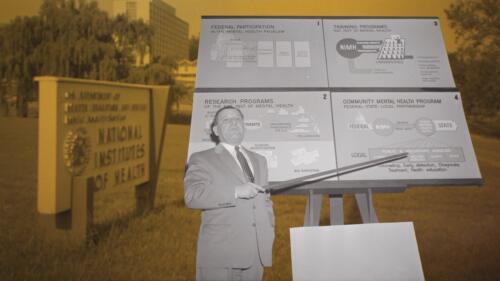
How Veterans Pushed For America’s First National Mental Health Act
After WWII, veterans returned home with "combat fatigue," now known as PTSD. Psychiatrist Robert Felix lobbied to establish the National Institute of Mental Health and elevated mental health awareness in America.
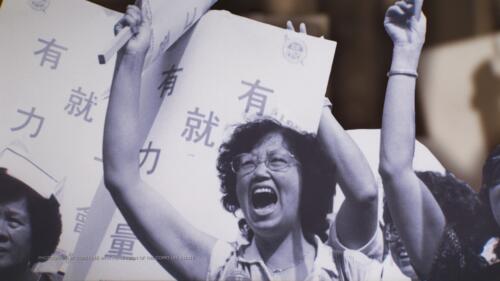
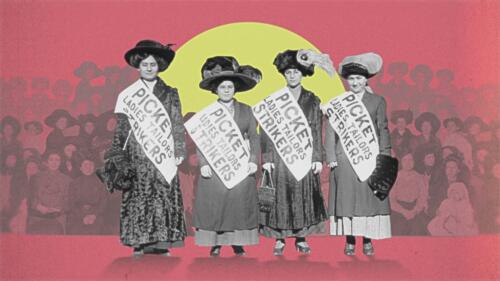
When 20,000 Asian Americans Won Garment Workers’ Rights
In the summer of 1982, nearly 20,000 garment workers—mostly Asian American women—filled the streets of New York’s Chinatown in solidarity. Their strike won a decisive victory and challenged the “model minority” myth that still persists today.
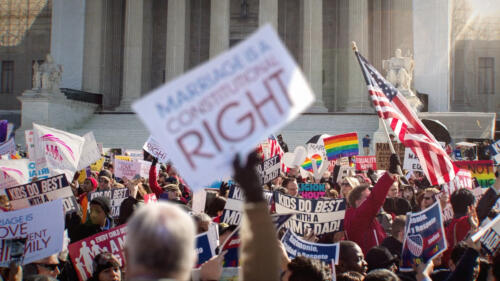
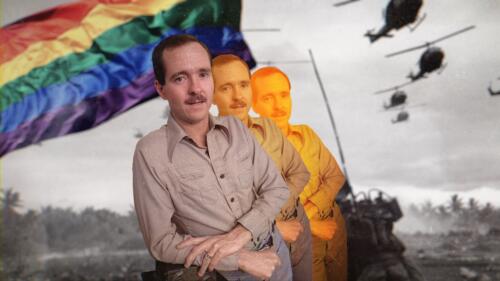
The Activists Who Removed Homosexuality from the Diagnostic and Statistical Manual of Mental Disorders
The DSM once labeled homosexuality a mental disorder. In the 1960s, LGBTQ+ activists Barbara Gittings and Frank Kameny pushed to change that, helping spur its removal from the DSM in 1973.

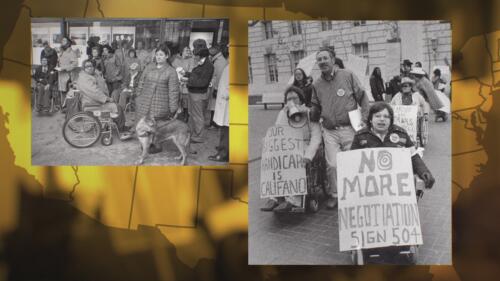
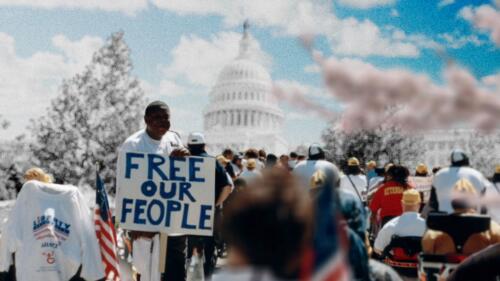
How the 504 Sit-In Secured Protections Against Disability Discrimination
The 504 Sit-in protest was a pivotal moment in the disability rights movement. The sit-in lasted 28 days and forced the signing of the 504 Regulations, which established protections against discrimination and paved the way for more inclusive workplaces.
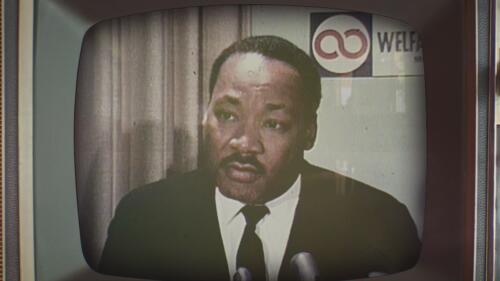

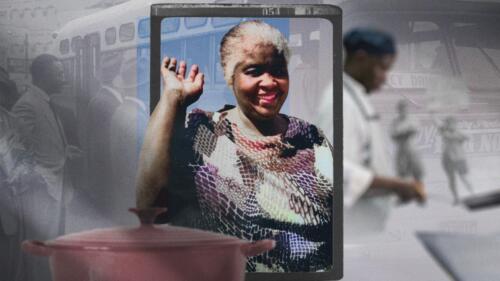
How Coretta Scott King Used Her Voice to Sing for Civil Rights
From a young age, Coretta Scott King was influenced by music. She spent her youth singing in church choirs and ended up studying at the New England Conservatory, where she met MLK. She earned a degree in voice and music education and studied the violin.

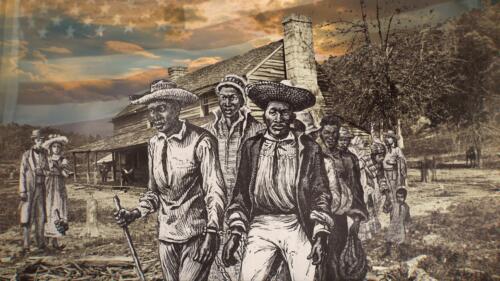
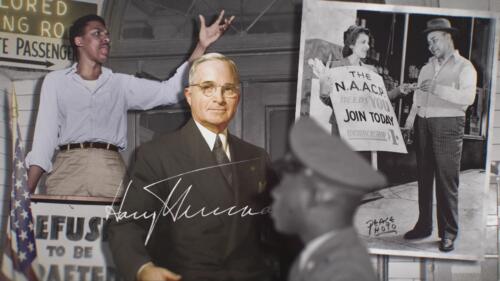
Why Harry Truman Ended Segregation in the US Military in 1948
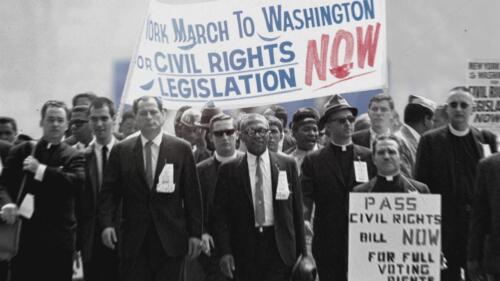
On July 26, 1948, President Harry S. Truman signed Executive Order 9981, mandating the desegregation of the U.S. Armed Forces and ending 170 years of officially sanctioned racial discrimination in the military. Although African Americans had served since the Revolutionary War, they were typically segregated from white troops and often assigned to menial roles. A landmark achievement of both the postwar civil rights movement and Truman’s presidency, the order marked one of the first times a U.S. president used executive authority to advance civil rights. It also helped pave the way for broader desegregation efforts across American society.


