Early 20th Century U.S.
In the early 20th century, America was flexing its economic and political muscle on the international stage. The era was defined by the temperance movement, Progressive-era activism, the sinking of the Titanic and World War I.


Start Here

The man known for changing the auto industry also used his immense power and influence to quash unions, control immigrant workers and vilify Jewish people.

The catalog was the Amazon.com of its time—packaged in hundreds of pages.

The 1906 bestseller was one of the most influential books in American history—but not in the way its author intended.

More than just facts and figures, these statistics highlight the massive scale of Titanic's ambition—and of its tragic sinking.
Zoot Suit Riots
How Anti-Mexican Racism in L.A. Caused the Zoot Suit Riots
Learn how media bias and anti-Mexican racism contributed to the Zoot Suit Riots in Los Angeles in 1943.

3 Key Early 20th Century Movements


Explore All Related Topics



Preserved by icy waters, the majestic wooden ship of the infamous 1914-1916 Antarctic expedition is revealed in images from the deep of the Weddell Sea.

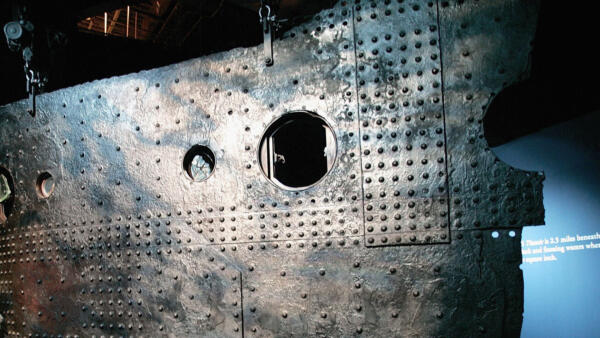
A 1985 expedition using unmanned cameras discovered the lost wreck of the ocean liner Titanic, which sank in 1912 in the North Atlantic.

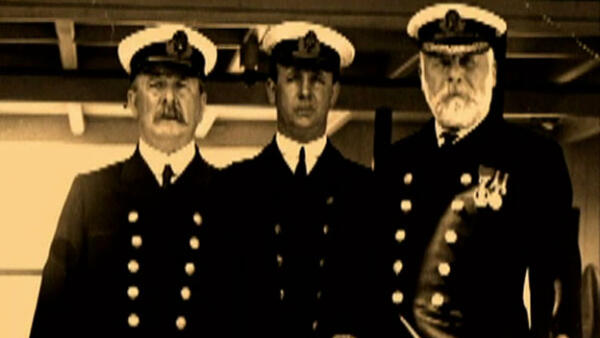
Edward Smith's body was never recovered, and his final moments remain a mystery—with no shortage of conflicting accounts.

For at least the first hour after the iceberg collision, the ship's crew downplayed the danger. Many passengers remained optimistic.

When disaster struck the Titanic in April 1912, a network of people mobilized to help save lives and care for survivors.

Explore five facts about RMS Carpathia, the only vessel to rescue any survivors of the Titanic disaster.

The luxury liner’s collision with an iceberg set off a tragic chain of events.

High speeds, a wrong turn, weather conditions and lack of binoculars all contributed to one of the worst maritime tragedies.
The Titanic was a luxury British steamship of the White Star Line that sank in the early hours of April 15, 1912, after striking an iceberg, leading to the deaths of over 1,500 passengers and crew.

More than just facts and figures, these statistics highlight the massive scale of Titanic's ambition—and of its tragic sinking.

A 40-hour, five-day work week is now standard for full-time jobs in America, but that wasn't true until the 1930s.

Blackface became popular in the U.S. after the Civil War as white performers played characters that demeaned and dehumanized African Americans.