Playlist
The Ideas That Changed How We Live
Explore the groundbreaking ideas, inventions and innovations that transformed everyday life.
The Computer Scientist Who Laid the Groundwork for Siri
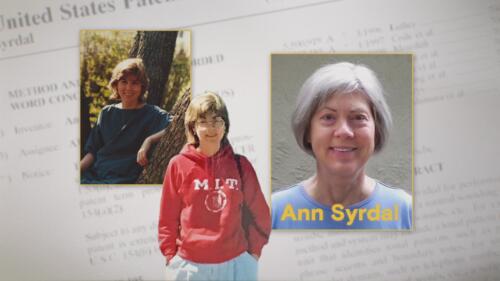
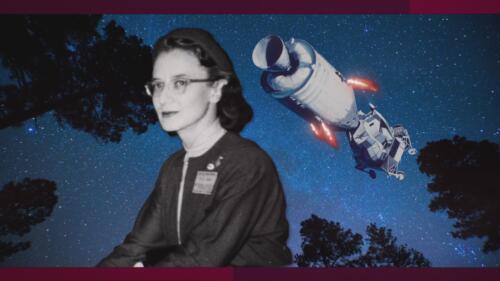
By the 1990s, synthetic voices for computers and the disabled were mostly male until researcher Ann Syrdal helped develop the first functional female synthetic voice, paving the way for AI assistants like Siri.
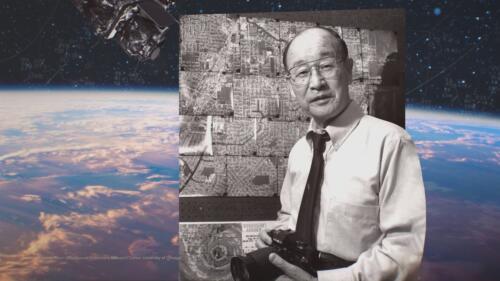
The Man Who Classified Tornadoes
In 1971, meteorologist Tetsuya Fujita created the Fujita Scale, which allowed scientists to categorize tornadoes, aiding in predictive weather patterns. Fujita revolutionized the understanding of thunderstorms, tornadoes, hurricanes and typhoons.
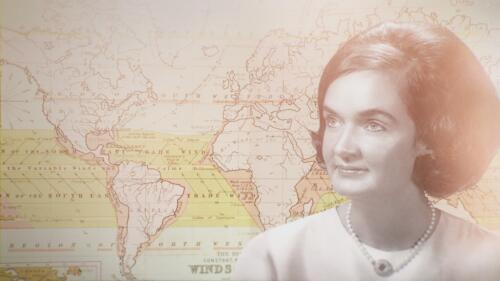
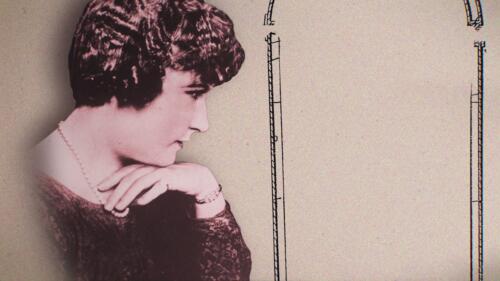
"Lady Edison": The Inventor Who Made Daily Life Easier
Beulah Louise Henry was an American inventor whose creations—including the double chain stitch sewing machine, vacuum ice cream freezer, hair curler, double-ended umbrella and improved can opener—helped revolutionize manufacturing technology.




The Birth of the Internet
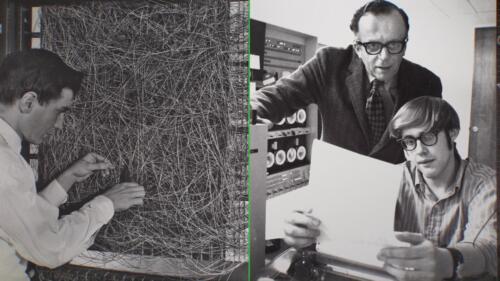
On October 29, 1969, Stanford programmer Bill Duvall sent a single-word message—"login"—to UCLA student programmer Charley Kline, 350 miles away. Transmitted between two computers that each filled an entire room, this message marked the first communication between networked computers and is widely regarded as the birth of the internet.