Playlist
Early 20th Century U.S.
The Woman Who Survived the Titanic and Britannic Sinkings
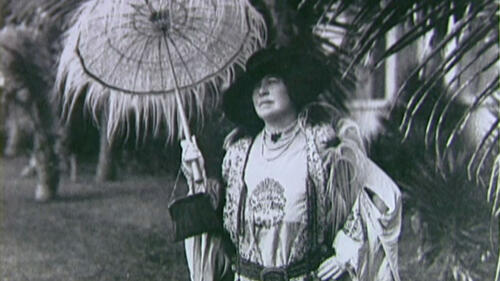
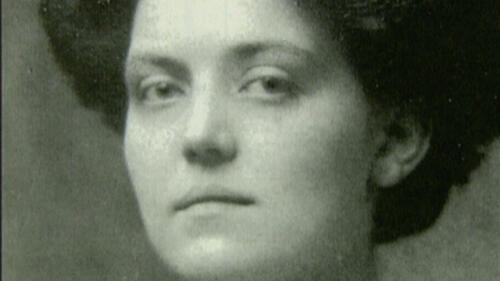
Violet Jessup, a stewardess on the Titanic, became the only woman to survive its sinking and that of its sister ship, Britannic.



Coroner's Report: The Titanic
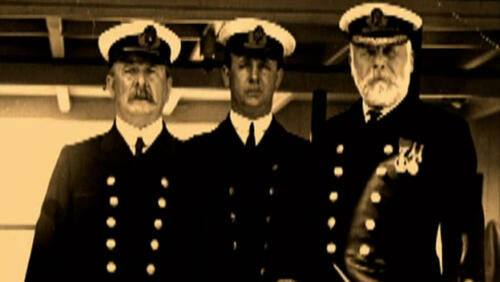
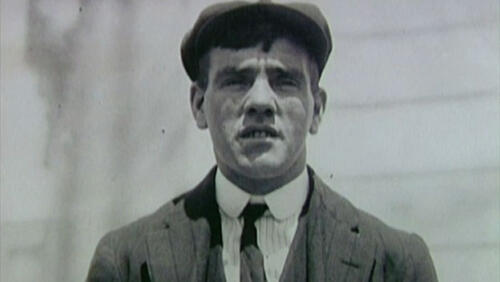
When the "unsinkable" ocean liner Titanic was lost after hitting an iceberg on April 15, 1912, lifeboats saved only 700 of her passengers. What did the 1,500 people who went down with the ship experience in the icy waters of the North Atlantic?
Expedition Titanic
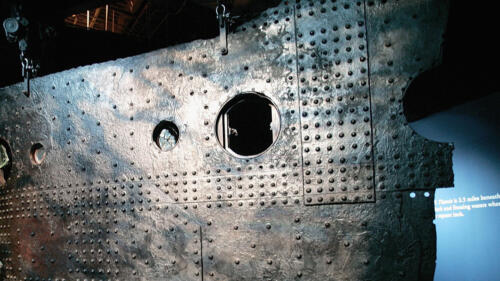
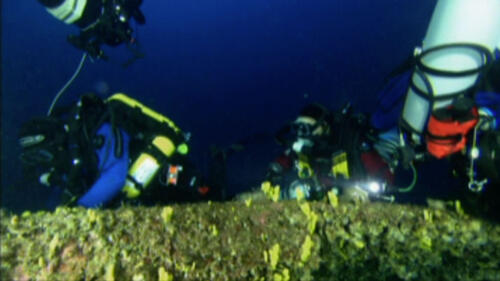
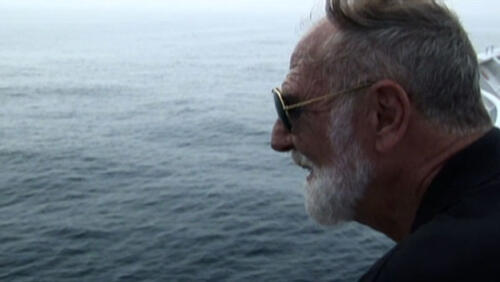
In this History Channel video experience the Titanic wreck and corroded metal and debris everywhere. These are only a few things that a person will see when he examines what remains of the Titanic Ralph White, a master cinematographer, explains his past and present voyages to the wreckage of the Titanic. With forty years of experience, and ten past expeditions into the dark depths of the ocean, White learns something new every time he studies the remains of the Titanic. Through his research, dives, and discoveries, Ralph White hopes to one day fill in the blanks in history about what really happened to the "unsinkable" ship.

Flashback: Chevrolet's Bizarre Pirate-Themed Cartoon
In the 1930s, car companies turned to some pretty strange tactics to earn back American consumers after the Great Depression. In 1938, Chevrolet released this pirate-themed cartoon, featuring the company's new Master sedan.

Flashback: A Knife-Throwing Mother Brings Her Family Into the Act
Louella Gallagher is not the prototypical mother of the 1950s. Her daughters Connie Ann, age 5, and Colleena Sue, age 2.5, serve as props in a knife-throwing act that would be considered a bit too risky by today's standards.


Clifford Beers Revolutionizes Mental Healthcare
A graduate of Yale University, Clifford Beers founded the Clifford Beers Clinic in 1913, America's first outpatient mental health clinic. His work would establish a foundation for caring for people suffering with mental illness in America.