HISTORY | Topics, Shows and This Day in History | HISTORY
Haunted History
Explore famous ghosts, haunted places, Spiritualism, attempts to contact the dead and the legends that have kept supernatural stories alive.
Trending


Something to Clap About
The Baseball Players Who Accidentally Invented the High Five
Show: HISTORY Honors 250The high five is synonymous with American culture. But who actually did it first? There are lots of theories, but one of the earliest known instances was a spontaneous action done between two LA Dodger baseball players.
This Day in History
Games!

Halloween Quiz
Test your knowledge of Halloween's history in this timed quiz.
Name That Emperor!
Can you identify some of history’s famous emperors in this timed quiz?
Name That Ancient Landmark!
Test your knowledge of ancient landmarks in this timed quiz.
World War II Submarines Quiz
Test your knowledge of World War II Submarines in this timed quiz.Now Streaming on HISTORY


Fall Traditions
How Fall Colors Turned New England Into a Leaf Peeping Hot Spot
Since New England’s forests regenerated in the 1800s, visitors have been ogling its patchwork of fall colors.


6 Things You May Not Know About Pumpkins
Which famous French explorer is credited with naming them?

Tailgating: How the Pre-Game Tradition Traces Back to Ancient Times
The ritual grew as ownership of automobiles and then mass production of portable grills and plastic coolers soared.

How Did Apples Become a Halloween Tradition?
Plentiful during fall, apples have been a part of Halloween festivities for centuries.
HISTORY Honors 250

250 Objects That Tell the Story of America
These items reveal the nation’s character and its constant evolution.
250 Events That Shaped America
These pivotal moments changed how Americans live, work, create and govern.
250 People Who Shaped America
These changemakers include icons as well as architects of everyday life.
HISTORY Honors 250 Hub
Explore HISTORY videos and stories about America's 250th.Sign up for Inside History
Get fascinating history stories twice a week that connect the past with today’s world, plus an in-depth exploration every Friday.


Digital Exclusive
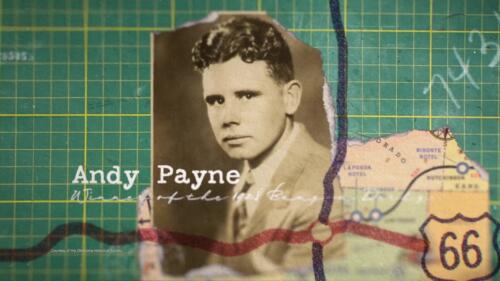
Route 66: 101
A three-part journey into the epic 1928 footrace that helped make Route 66 an American icon.