HISTORY | Topics, Shows and This Day in History | HISTORY
The Surprising Inspiration Behind 7 Classic Halloween Songs
For these enduring hit songs, creating a scary tune for Halloween was not always the goal.


Why We Think Witches Are Wicked
The History of Witches
Witches were perceived as evil beings by early Christians in Europe, inspiring the iconic Halloween figure.
This Day in History
Games!

Time Machine: Great Depression
Test your knowledge of life during the Great Depression in this timed quiz.
Haunted Legends and Lore Quiz
Test your knowledge of history's haunted legends in this timed quiz.
Name That Emperor!
Can you identify some of history’s famous emperors in this timed quiz?
Name That Ancient Landmark!
Test your knowledge of ancient landmarks in this timed quiz.Now Streaming on HISTORY


Halloween's Spooky History
How Trick-or-Treating Became a Halloween Tradition
The practice can be traced to the ancient Celts, early Roman Catholics and 17th-century British politics.


Halloween Was Once So Dangerous That Some Cities Considered Banning It
Violence and vandalism were once as traditional as candy and costumes.

How Skeletons Became Spooky Symbols of Halloween
Skeletons have long marked the boundary between life and death, with bones representing mortality and the spirit world.

Who Invented Candy Corn?
The tri-colored confection was designed to look like chicken feed and came out at a time when about half of Americans worked on farms.

HISTORY Honors 250

250 Objects That Tell the Story of America
These items reveal the nation’s character and its constant evolution.
250 Events That Shaped America
These pivotal moments changed how Americans live, work, create and govern.
250 People Who Shaped America
These changemakers include icons as well as architects of everyday life.
HISTORY Honors 250 Hub
Explore HISTORY videos and stories about America's 250th.Sign up for Inside History
Get fascinating history stories twice a week that connect the past with today’s world, plus an in-depth exploration every Friday.


Digital Exclusive
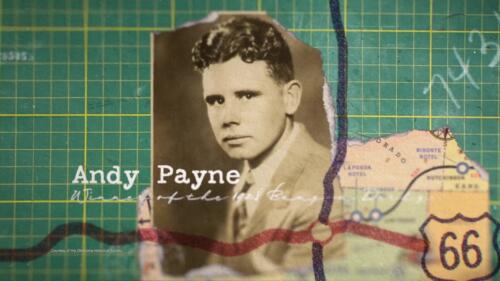
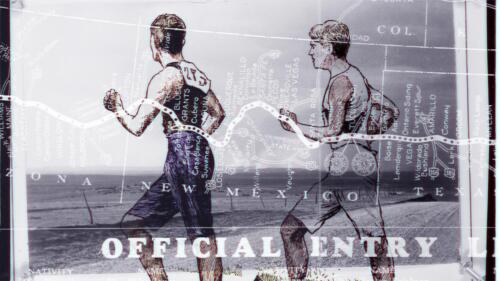
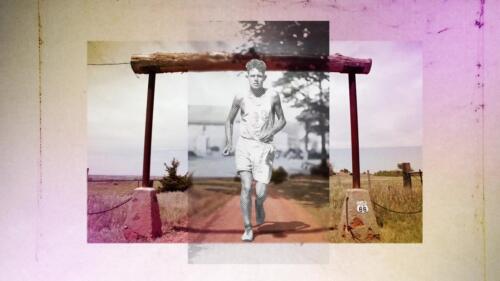
Route 66: 101
A three-part journey into the epic 1928 footrace that helped make Route 66 an American icon.